
Middle East Disruptions Boost Lufthansa China Flights

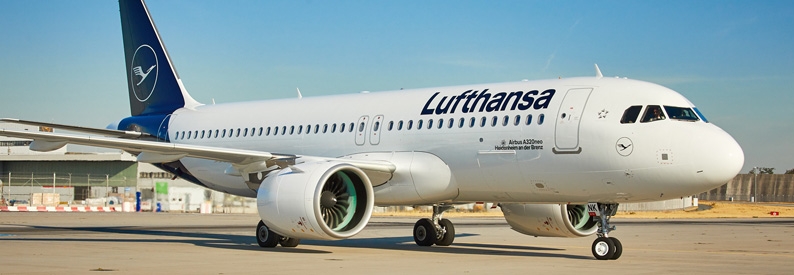
German carrier Lufthansa is accelerating its return to China, reversing earlier capacity cuts as shifting global travel dynamics create new opportunities. The airline, which suspended its Beijing–Frankfurt service more than a year ago, is now preparing to expand operations across key Asian markets.
This strategic pivot is largely driven by ongoing disruptions affecting Gulf carriers amid instability in the Middle East. According to Chief Financial Officer Till Streichert, the regional conflict has significantly impacted airline operations, with hundreds of aircraft grounded or operating below capacity. As a result, a substantial share of Europe–Asia transfer traffic—traditionally routed through Middle Eastern hubs—has been redirected to alternative carriers still operating at full strength.
The shift in demand has been swift. In the two weeks following the February 28 U.S.–Israeli strikes on Iran, Lufthansa recorded a roughly 20% increase in bookings for March departures. Growth was particularly strong on Asia-Pacific routes, highlighting a rapid rebalancing of global travel flows.
In response, Lufthansa is moving quickly to capitalize on the momentum. The airline plans to add more than 60 additional flights, targeting high-demand destinations including Bangkok, Singapore, New Delhi, and Shanghai. Management sees a clear opportunity to strengthen its long-haul network in Asia and potentially make this shift more structural rather than temporary.
At the same time, Lufthansa continues to scale back its Middle East operations due to ongoing uncertainty. Services to Dubai and Tel Aviv remain suspended until May 31, while routes to Abu Dhabi, Beirut, and Tehran are paused through October 24. These adjustments reflect both operational constraints and evolving safety considerations across the region.
Lufthansa’s renewed focus on China builds on a long-standing presence in the market. As one of the earliest international airlines to serve the country, the carrier has developed extensive connections over decades of operations. For the 2025–2026 winter schedule, its China network is centered on major gateways including Shanghai, Beijing, and Hong Kong, with connections through its primary European hubs in Frankfurt and Munich.
The airline’s latest moves underscore how geopolitical disruptions can rapidly reshape global aviation networks. As Middle Eastern capacity tightens, European carriers like Lufthansa are stepping in to capture redirected demand, reinforcing Asia’s importance as a key growth market in the evolving air travel landscape.
Related News: https://airguide.info/?s=Lufthansa
Sources: AirGuide Business airguide.info, bing.com