
EU Plans Jet Fuel Sharing to Avoid Supply Shortages

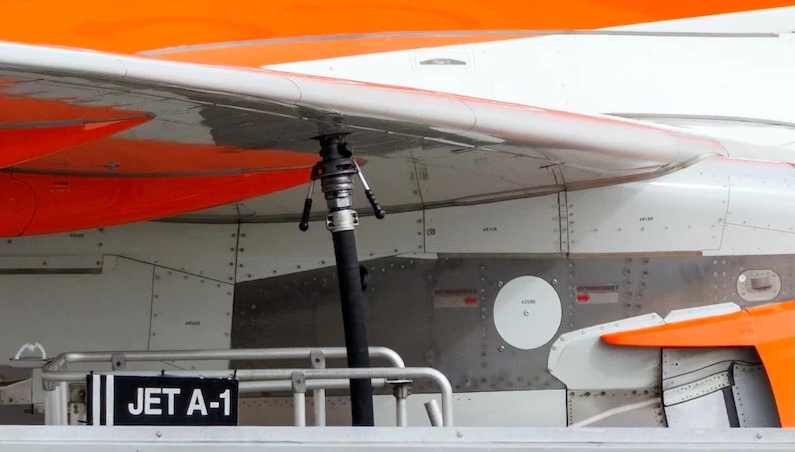
The European Commission is preparing to introduce a jet fuel sharing mechanism across its 27 member states as concerns shift from rising prices to potential shortages. The proposal, outlined by Energy Commissioner Dan Jørgensen, aims to ensure that limited fuel supplies are distributed more efficiently and fairly across the bloc.
Jørgensen warned that the situation could become increasingly serious, noting that the focus has moved beyond cost pressures to the risk of insufficient availability. The proposed system is designed to prevent specific regions, airports, or countries from being disproportionately affected as supply constraints intensify.
The move comes amid mounting disruption to global energy flows following tensions involving the United States and Iran. Supply routes through the Strait of Hormuz, a key channel for global fuel shipments, have been significantly affected, limiting access to jet fuel imports from Gulf producers such as Kuwait and the United Arab Emirates.
In parallel, industry groups are urging additional measures. The Bundesverband der Deutschen Luftverkehrswirtschaft (BDL) has called on authorities to release jet fuel transported via strategic NATO pipelines, which are typically reserved for national security. The group argues that such steps could help avoid flight disruptions at major hubs including Frankfurt and Munich.
According to earlier reports, the European Commission is expected to formally present its emergency proposals on April 22. In addition to fuel-sharing arrangements, the package may include measures to accelerate electrification and reduce dependence on imported energy over time. Authorities are also expected to increase monitoring of refinery output and storage capacity to optimize existing resources.
The urgency of the situation has been underscored by warnings from International Energy Agency, whose executive director Fatih Birol indicated that Europe could begin facing jet fuel shortages as early as late May if supply disruptions persist.
Europe currently imports around 30% of its jet fuel, making it vulnerable to external shocks. Alternative supply sources, including the United States and Africa, are unlikely to fully compensate for the shortfall created by reduced Gulf shipments.
As the crisis evolves, the EU’s proposed fuel-sharing mechanism represents a coordinated effort to safeguard aviation operations, maintain connectivity, and mitigate the economic impact of a potential energy supply crunch.
Related News: https://airguide.info/category/air-travel-business/airline-finance/
Sources: AirGuide Business airguide.info, bing.com, ch-aviation.com