
Spirit $500 Million Bailout Plan Sparks Fears of Government Control

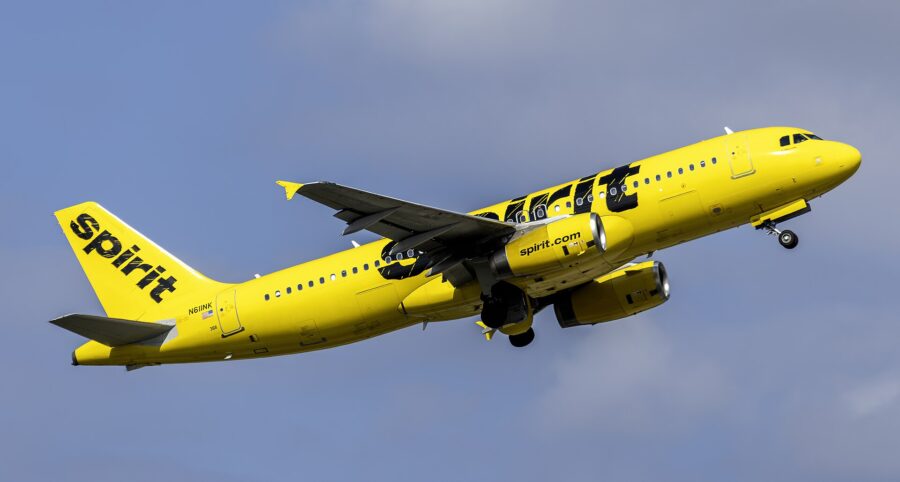
A potential U.S. government rescue of Spirit Airlines is raising concerns across the aviation and financial sectors, with analysts warning it could reshape competition and expand federal involvement in private companies.
According to reports, the administration is considering a $500 million support package that could leave the government owning up to 90% of the airline after it exits bankruptcy. While the move could preserve a key low-cost carrier and protect jobs, critics argue it risks setting a far-reaching precedent.
Policy experts caution that such an equity-based intervention could trigger a wave of similar requests from struggling companies. Tad DeHaven of the Cato Institute described the approach as opening a “Pandora’s box,” suggesting that once government ownership becomes an option, other distressed firms may seek similar support rather than relying on market-driven solutions.
Wall Street analysts have echoed these concerns. A potential bailout for Spirit could prompt other low-cost carriers, such as JetBlue Airways and Frontier Airlines, to pursue similar assistance, potentially distorting competitive dynamics within the industry.
The proposal has also drawn political criticism. Lawmakers, including Ted Cruz and Tom Cotton, have questioned whether such a bailout represents an appropriate use of taxpayer funds. At the same time, the White House has indicated it is monitoring both Spirit’s situation and the broader health of the airline sector.
A government stake in an airline could blur the line between regulator and operator, raising questions about fairness and oversight. Analysts warn that providing substantial support to one carrier may disadvantage competitors such as Delta Air Lines, United Airlines, and American Airlines, which have managed to navigate recent challenges without direct government ownership.
Spirit’s financial difficulties have been compounded by rising fuel costs linked to geopolitical tensions, as well as ongoing restructuring challenges. The airline has filed for bankruptcy twice in recent years, highlighting the fragility of the ultra-low-cost business model in a high-cost environment.
Despite the risks, some policymakers view Spirit as strategically important due to its role in maintaining low fares and supporting employment. However, critics argue that intervention could undermine market discipline and encourage reliance on government support.
As discussions continue, the outcome could have lasting implications not only for Spirit but for the broader aviation industry, potentially redefining the balance between private enterprise and public intervention in times of financial stress.
Related News: https://airguide.info/?s=Spirit+airlines, https://airguide.info/category/air-travel-business/airline-finance/
Sources: AirGuide Business airguide.info, bing.com, nbcnews.com