
American, Alaska Explore Deeper Transatlantic Partnership

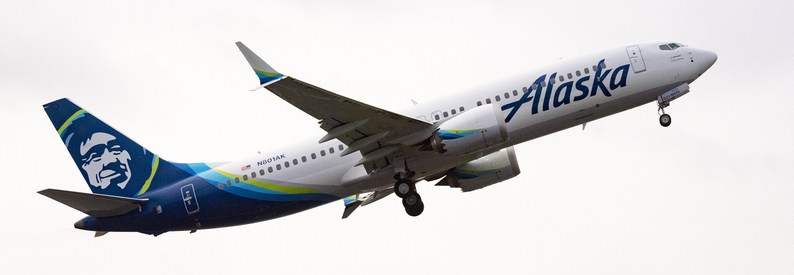
American Airlines and Alaska Air Group are in early-stage discussions to expand their partnership, potentially bringing Alaska into American’s established transatlantic and transpacific joint ventures. The move would mark a significant step beyond their current cooperation, signaling a deeper level of integration across international networks.
Under the proposal, Alaska Air Group could join joint venture arrangements that include major global carriers such as British Airways, Iberia, Finnair and Japan Airlines. These alliances allow participating airlines to coordinate schedules, pricing, and capacity while sharing revenue on key long-haul routes. For Alaska, participation would provide greater access to lucrative international markets without the need to operate its own long-haul fleet at scale.
The discussions reflect a broader strategy to strengthen connectivity and competitiveness in global aviation. American Airlines already maintains a strong presence in international joint ventures, particularly across the Atlantic and Pacific, where such partnerships have become essential to competing with rival airline groups. Integrating Alaska into these frameworks could enhance network efficiency, expand customer choice, and improve connectivity across North America, Europe, and Asia.
Currently, American and Alaska maintain a close relationship through codesharing and frequent flyer reciprocity, allowing passengers to book seamless itineraries and earn or redeem miles across both networks. A deeper joint venture structure would take this collaboration further by aligning commercial strategies and enabling more coordinated operations across international routes.
However, any expansion of this scale would require regulatory approval, particularly from US and international authorities that closely scrutinize airline alliances for potential impacts on competition. Joint ventures involving revenue sharing and coordinated pricing are typically granted antitrust immunity only after detailed review to ensure consumer benefits outweigh any risks of reduced competition.
If approved, the integration could significantly reshape the competitive landscape, especially in transatlantic travel, where alliances play a dominant role. It may also strengthen the position of both airlines against other global groups, including those aligned with competing alliances.
While still in the early stages, the discussions highlight ongoing consolidation trends in the airline industry, where partnerships are increasingly used to expand global reach and improve financial performance without the complexity of full mergers.
Related News: https://airguide.info/?s=alaska+air, https://airguide.info/?s=american+airlines, https://airguide.info/category/air-travel-business/airline-finance/
Sources: AirGuide Business airguide.info, bing.com