
American Airlines Fuel Costs Surge, Threaten Profitability

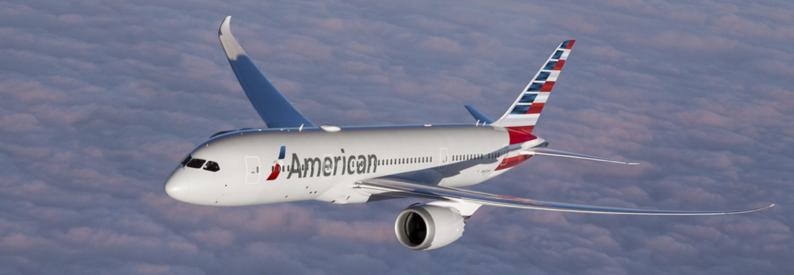
American Airlines has warned that surging jet fuel prices linked to escalating tensions in the Middle East could add as much as $4 billion to its costs this year, raising the risk that the carrier could slip into a loss despite strong travel demand.
The airline said fuel expenses have climbed sharply as geopolitical instability disrupts global energy markets, pushing oil prices higher and tightening supply. Jet fuel is typically one of the largest operating costs for airlines, and the recent spike is placing significant pressure on margins across the industry.
American Airlines is now working to offset the impact through a combination of higher fares, capacity adjustments and cost-control measures. Executives indicated that ticket prices may continue to rise in the coming months, particularly on long-haul and international routes where fuel consumption is higher. However, the airline also acknowledged that its ability to pass on costs to passengers may be limited by competitive pressures and shifting demand.
The warning highlights the broader vulnerability of the aviation sector to fuel price volatility. Unlike some international competitors, many U.S. airlines, including American, do not hedge fuel costs extensively, leaving them more exposed to sudden price increases. As a result, rapid swings in oil markets can quickly translate into higher operating expenses.
Industry analysts note that the current fuel environment could reshape airline strategies if elevated prices persist. Carriers may reduce less profitable routes, delay expansion plans or accelerate efforts to improve fuel efficiency through fleet modernization. American Airlines has already invested in newer, more fuel-efficient aircraft, but these gains may not fully offset the scale of the current price surge.
Jet fuel prices have surged globally in 2026, with regional variations reflecting supply dynamics and refining capacity. In the United States, prices are currently averaging around $3.80 to $4.20 per gallon, equivalent to roughly $190–$200 per barrel, with occasional spikes in constrained markets.
In Europe, jet fuel is trading at approximately $1,500 to $1,520 per metric ton, with recent peaks exceeding $1,800, translating to about $190–$210 per barrel equivalent.
In Asia, prices remain highly volatile, generally ranging between $150 and $200 per barrel, with some localized markets experiencing even higher effective costs due to supply constraints. Overall, global jet fuel benchmarks are hovering near $195 per barrel, reflecting a sharp increase driven by geopolitical disruptions and supply chain pressures, particularly around key transit routes such as the Strait of Hormuz.
The Middle East conflict has also introduced uncertainty into global travel patterns, potentially affecting demand in key international markets. While leisure travel has remained resilient, any sustained increase in ticket prices could begin to weigh on consumer spending, particularly in price-sensitive segments.
American Airlines said it will continue to monitor market conditions closely while prioritizing operational reliability and financial discipline. The airline remains focused on maintaining liquidity and managing costs as it navigates what could become one of the most challenging fuel cost environments in recent years.
The company’s outlook underscores how external geopolitical shocks can quickly ripple through the aviation industry, forcing airlines to adapt pricing, capacity and investment strategies in response to rapidly changing economic conditions.
Related News: https://airguide.info/?s=American+Airlines, https://airguide.info/category/air-travel-business/airline-finance/
Sources: AirGuide Business airguide.info, bing.com