
Air Force One diversion spotlights 747-8 replacement

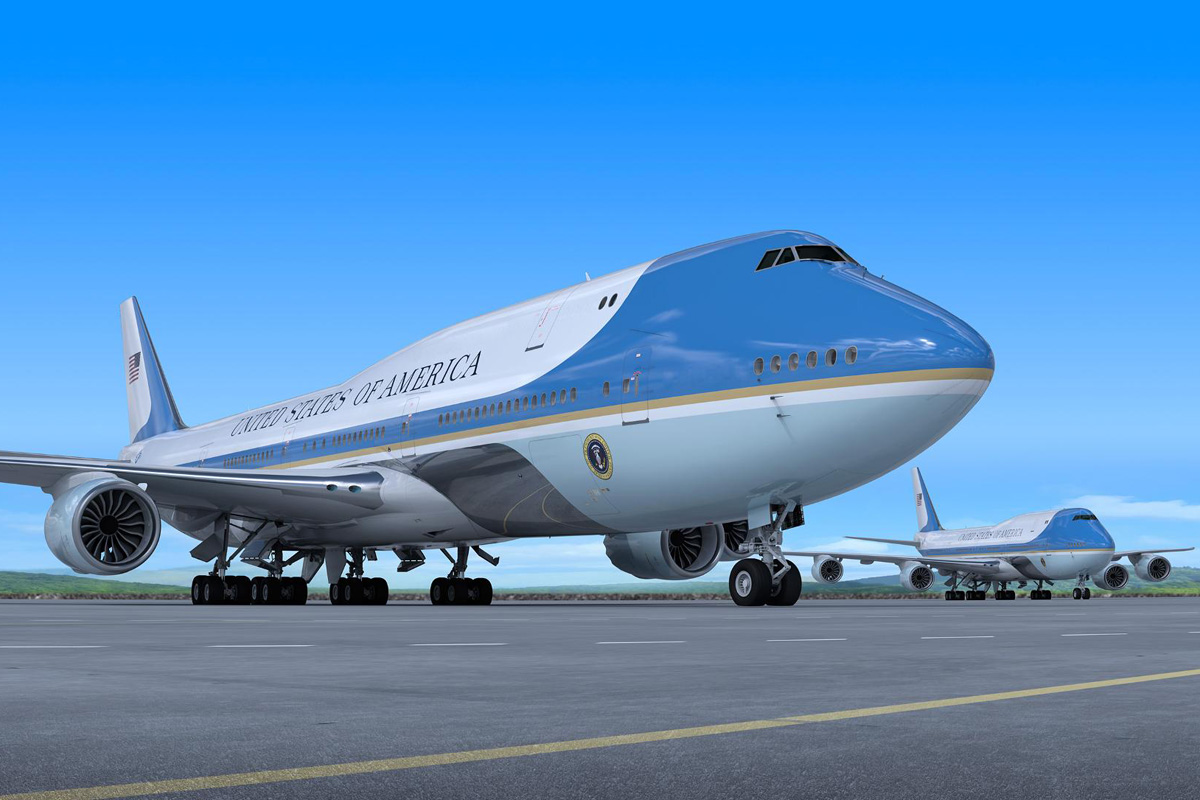
Air Force One made an unexpected return to base on January 20, 2026, after a minor electrical issue occurred about an hour into a flight from Joint Base Andrews to Switzerland. The aircraft involved was a VC-25A, a heavily modified Boeing 747-200B that serves as one of two primary presidential transports.
According to officials, lights in the press cabin briefly went out shortly after takeoff. Out of an abundance of caution, the crew decided to turn the aircraft around and return to the Washington area. The diversion was handled routinely, and the aircraft landed safely without further incident.
Members of the press later continued their journey aboard a C-32, a military variant of the Boeing 757 commonly used for executive transport and support missions.
While the event posed no safety threat, it quickly renewed attention on the age of the VC-25A fleet. The two aircraft have been in service for more than 30 years. Far from standard commercial jets, they are equipped with hardened communications systems, secure command-and-control infrastructure, defensive countermeasures and complex, highly redundant electrical systems. That level of specialization increases sensitivity to even minor anomalies, which flight crews are trained to address conservatively.
The diversion comes as Boeing’s long-delayed VC-25B replacement program continues to face schedule pressure. The new aircraft are based on the Boeing 747-8 platform and are intended to replace the aging VC-25As later this decade. However, engineering challenges, cost overruns and production slowdowns have pushed projected delivery timelines into the late 2020s.
Amid those delays, attention has also turned to a Boeing 747-8 previously operated by Qatar’s royal fleet and reportedly undergoing modification work in Texas as a possible interim presidential aircraft. Transforming a VIP-configured 747-8 into a platform suitable for presidential service would require far more than interior refurbishment. Extensive structural changes, hardened and encrypted communications suites, electromagnetic shielding, upgraded power systems and integrated defensive capabilities would all be necessary.
Presidential aircraft must function as airborne command centers, with secure global connectivity, missile warning systems and redundant power distribution capable of supporting national leadership during crises.
Although the January diversion was precautionary and uneventful, it underscores the operational and symbolic weight carried by the presidential fleet. As the current VC-25As continue to fly reliably, questions about modernization timelines and long-term sustainment remain central to the future of Air Force One.
Related News: https://airguide.info/?s=Air+Force+One, https://airguide.info/category/air-travel-business/travel-health-security/
Sources: AirGuide Business airguide.info, bing.com