
Air Traffic Controller Absence Probed in LaGuardia Fatal Crash

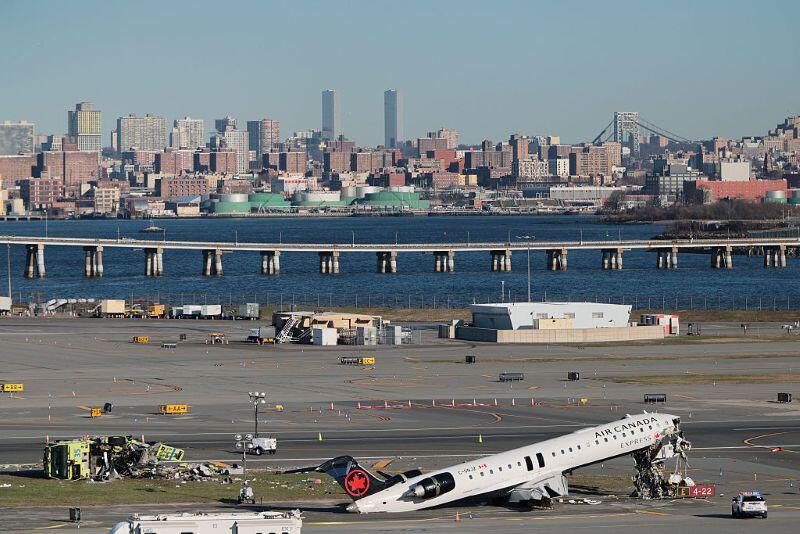
Federal investigators are examining whether an air traffic controller may have briefly stepped away from their position prior to the fatal runway collision at LaGuardia Airport, a development that could add new scrutiny to procedures at one of the busiest airports in the United States.
The crash, which occurred on March 22, involved an Air Canada Express regional jet and a fire truck responding to a separate onboard emergency. The incident resulted in the deaths of two pilots and injuries to dozens of passengers, triggering multiple investigations led by the National Transportation Safety Board and the Federal Aviation Administration.
According to reports, officials are now reviewing whether the controller temporarily left their console to use an emergency landline phone shortly before the collision. Sources familiar with the investigation indicated that such a momentary absence, even lasting less than a minute, could have complicated an already high-pressure operational environment.
The runway was active at the time because a United Airlines aircraft had reported an onboard odor just minutes earlier, prompting emergency responders to enter the airfield. The fire truck involved in the collision had requested clearance to cross the runway as part of that response.
Investigators are analyzing whether communication gaps or timing issues contributed to the incident, particularly given the complex conditions that night. Weather-related delays had pushed traffic into the late evening, overlapping with the midnight shift, when staffing levels are typically reduced.
Jennifer Homendy previously confirmed that two controllers were on duty in the tower at the time, standard for overnight operations. However, reports indicate the controller involved was managing multiple aircraft movements, including issuing instructions to several flights shortly before the fire truck requested runway access.
Aviation experts note that high workload, combined with even brief interruptions, can increase the risk of miscommunication or situational awareness gaps in complex airspace environments.
The investigation remains ongoing, with officials reviewing air traffic control recordings, radar data, and operational procedures to determine whether any lapse contributed to the chain of events leading to the crash.
The findings could have broader implications for staffing, communication protocols, and emergency coordination procedures at major U.S. airports, particularly those with high traffic volumes and complex runway layouts like LaGuardia.
Related News: https://airguide.info/?s=laguardia, https://airguide.info/category/air-travel-business/travel-health-security/
Sources: AirGuide Business airguide.info, bing.com, yahoo.com