
airBaltic Cleared for 18% Rise in Staff Costs to Support Fleet Growth

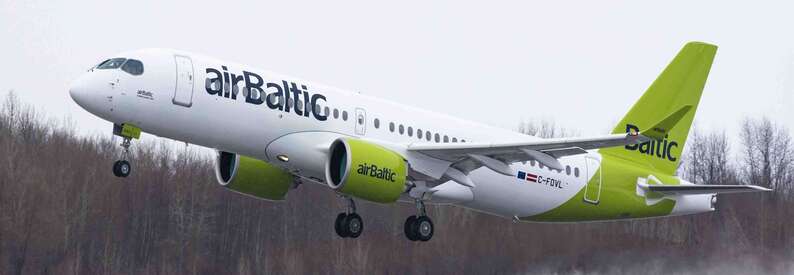
Latvia’s government has approved a significant increase in personnel spending at airBaltic, allowing the national carrier to raise staff costs by 18% as it prepares for fleet expansion and higher operational demands in 2026. The decision marks a substantial departure from the country’s statutory limit of 2.6% annual growth in personnel expenses for state-linked entities.
The Ministry of Transport said the exemption was necessary to ensure airBaltic can execute its growth plans without compromising safety, reliability, or competitiveness. According to the ministry, strict enforcement of the standard cap would effectively restrict the airline’s ability to expand and could disrupt day-to-day operations at a time when aviation labour markets remain tight across Europe.
Officials pointed to several factors behind the decision, including increasing operational complexity, the need to recruit additional staff to support a growing fleet, and the long lead times required to train certified aviation professionals. Pilots, cabin crew, engineers, and other licensed specialists typically require years of training and recurrent certification, making workforce planning a critical constraint on airline growth.
airBaltic has been expanding its fleet and network in recent years, positioning itself as a leading carrier in the Baltic region and a key connector between Northern Europe and the rest of the continent. The airline operates a single-type fleet of Airbus A220-300 aircraft, a strategy that supports efficiency but still requires continuous investment in crew training, simulator capacity, and technical staff as aircraft numbers increase.
The Ministry of Transport also highlighted competitive pressures in the European aviation labour market. Airlines across the continent are facing shortages of pilots and maintenance personnel, while wage inflation has accelerated as carriers compete to attract and retain qualified staff. Latvian officials said maintaining competitive remuneration is essential to prevent skilled employees from being drawn to rival airlines in Western Europe or the Middle East.
airBaltic’s personnel costs have come under closer scrutiny in recent years due to its state ownership and broader public-sector pay rules. However, the government argued that airlines operate in a fundamentally different environment from other public entities, with international competition, strict safety requirements, and volatile demand cycles requiring greater flexibility.
The approved increase is intended to cover not only higher wages but also expanded recruitment, training programs, and long-term workforce development needed to support the airline’s 2026 fleet plans. The government did not disclose the absolute value of the cost increase but stressed that it would be monitored to ensure alignment with operational needs and financial performance.
For airBaltic, the decision provides regulatory and financial certainty as it moves into its next growth phase. For the Latvian government, it reflects a balancing act between fiscal discipline and the strategic importance of maintaining a competitive national airline that supports connectivity, tourism, and economic development across the Baltic region.
Related News: https://airguide.info/category/air-travel-business/airline-finance/
Sources: AirGuide Business airguide.info, bing.com, ch-aviation.com