
Airlines Hire Chinese Crew to Expand China Market

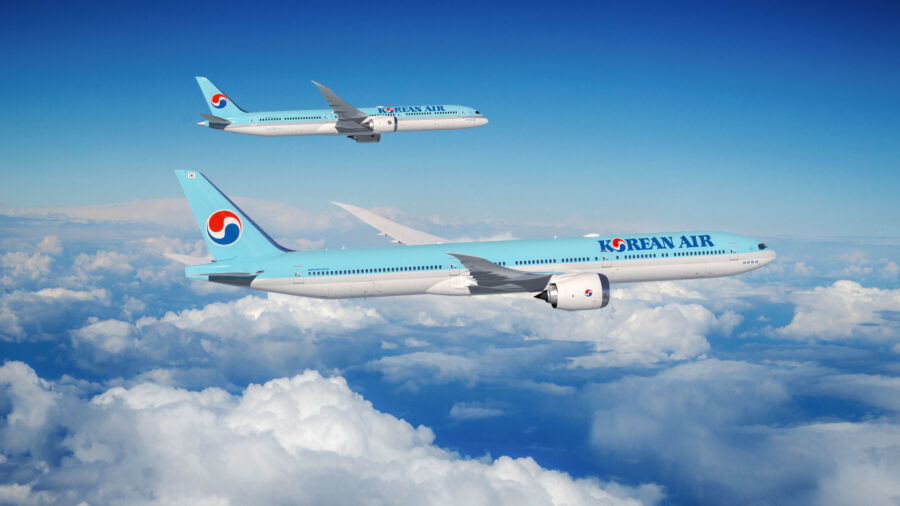
Foreign airlines are increasingly recruiting Chinese cabin crew as part of a broader strategy to strengthen their presence in one of the world’s fastest-growing aviation markets. The move reflects rising demand for China-bound travel and the need to tailor onboard services to local passenger preferences.
On March 5, Korean Air launched a recruitment drive for Chinese cabin crew in Beijing, Shanghai, and Guangzhou. Candidates are required to be fluent in both Chinese and English, with Korean language skills preferred. While the hiring effort may appear routine, it signals a targeted push to enhance the airline’s competitiveness on China–Korea routes.
The strategy is already supported by strong market performance. In the fourth quarter of 2025, Korean Air reported a 13% year-on-year increase in both revenue and net profit, with routes connecting China and South Korea playing a significant role in that growth.
Travel demand between the two countries has surged. Data from South Korea’s Ministry of Justice shows that approximately 3.16 million Korean tourists visited China in 2025, representing a 36.9% increase year-on-year—the fastest growth among Korea’s major outbound markets. China has emerged as a popular short-haul destination, particularly for spontaneous or short-notice trips.
This growth has been driven in part by policy changes. Since November 8, 2024, China has implemented a unilateral visa-free policy for South Korean citizens, significantly boosting cross-border travel. The impact has been clearly reflected in airline traffic and route performance.
Passenger numbers on Korean Air’s China routes have risen sharply. Travel to major cities such as Shanghai has seen notable gains, with the number of Korean visitors increasing by more than 128,000 in 2025 alone. Shanghai has become one of the most popular destinations for Korean travelers.
Despite this growth, airlines face operational challenges. Passenger feedback often highlights language barriers and limited route coverage as areas for improvement. These issues can affect customer experience, particularly for travelers unfamiliar with international transit processes.
By hiring Chinese-speaking cabin crew, Korean Air aims to address these gaps directly. Improved communication onboard can enhance service quality, streamline in-flight interactions, and better meet the expectations of Chinese passengers.
The move also reflects a broader industry trend, as international airlines adapt their staffing and service models to capture growth in key regional markets. As travel demand between China and neighboring countries continues to rise, airlines that invest in localized service strategies are likely to gain a competitive edge.
Related News: https://airguide.info/?s=Korean+Air
Sources: AirGuide Business airguide.info, bing.com