
American Airlines 787-9 Diverts to Rome After Naples Landing Issue

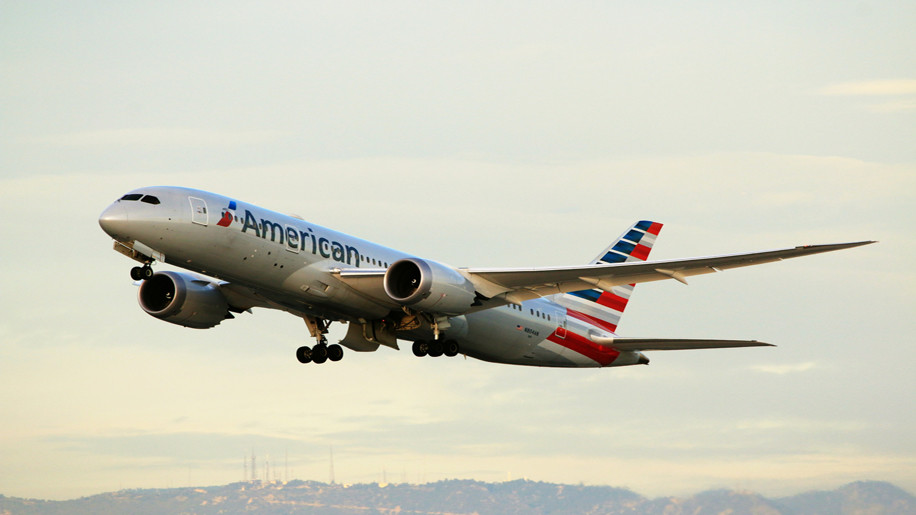
An American Airlines transatlantic flight was forced to divert to Rome after the carrier inadvertently deployed a Boeing 787-9 Dreamliner that was not certified to land at Naples Airport, highlighting the operational complexity of matching widebody aircraft to constrained airports.
American Airlines Flight AA780 departed Philadelphia International Airport on June 4, 2025, bound for Naples International Airport. The flight crossed the Atlantic without incident, but during descent the crew determined that the Boeing 787-9 Dreamliner operating the service was not approved to land at Naples-Capodichino Airport.
As a result, the aircraft diverted to Rome Fiumicino Airport, located approximately 220 kilometers (140 miles) north of Naples. The diversion was not weather-related, as conditions in Naples were clear and no other flights were affected.
American Airlines typically operates the Philadelphia–Naples route using the smaller Boeing 787-8 Dreamliner, which fits within the airport’s operational limits. Naples has a single runway measuring 2,628 meters (8,622 feet), a constraint that restricts aircraft performance options. While the 787-8 is certified for operations at Naples, the longer and heavier 787-9 has different takeoff and landing performance requirements and is not authorized for the airport under current regulations.
The aircraft substitution occurred earlier in the week, on June 2, when the flight was upgraded to a 787-9 (registration N837AN) for operational reasons. The incompatibility was only identified during the approach phase, necessitating the diversion.
Following the unscheduled landing in Rome, American Airlines faced the challenge of repositioning aircraft and crew while minimizing passenger disruption. The airline already operated a Rome–Chicago O’Hare service using a 787-8, allowing for a strategic aircraft swap. The diverted 787-9 was reassigned to the Chicago-bound flight, freeing up a 787-8 (registration N880BJ) to operate the Naples service.
However, crew duty time limitations prevented an immediate continuation. The replacement 787-8 and crew overnighted in Rome and completed the short 38-minute flight to Naples the following day, June 5. The aircraft later returned to Philadelphia.
It remains unclear whether all affected passengers traveled onward to Naples by air the next day or were re-accommodated via ground transportation or alternate flights. American Airlines has not disclosed the specific reason for deploying the larger aircraft on a route typically served by the 787-8.
The incident underscores the importance of aligning aircraft assignments with airport-specific operational approvals. While the differences between the 787-8 and 787-9 may appear modest, variations in length, weight, and performance can be decisive at airports with limited runway length, terrain constraints, or apron restrictions.
Although American Airlines’ rapid response minimized broader disruption, the diversion has raised questions about dispatch and verification procedures, particularly when widebody aircraft swaps are made on short notice for international routes serving secondary airports.
Related News: https://airguide.info/?s=American+Airlines, https://airguide.info/category/air-travel-business/airline-finance/
Sources: AirGuide Business airguide.info, bing.com, aviationa2z.com