
ANA to Reorganise Cargo Business After NCA Acquisition

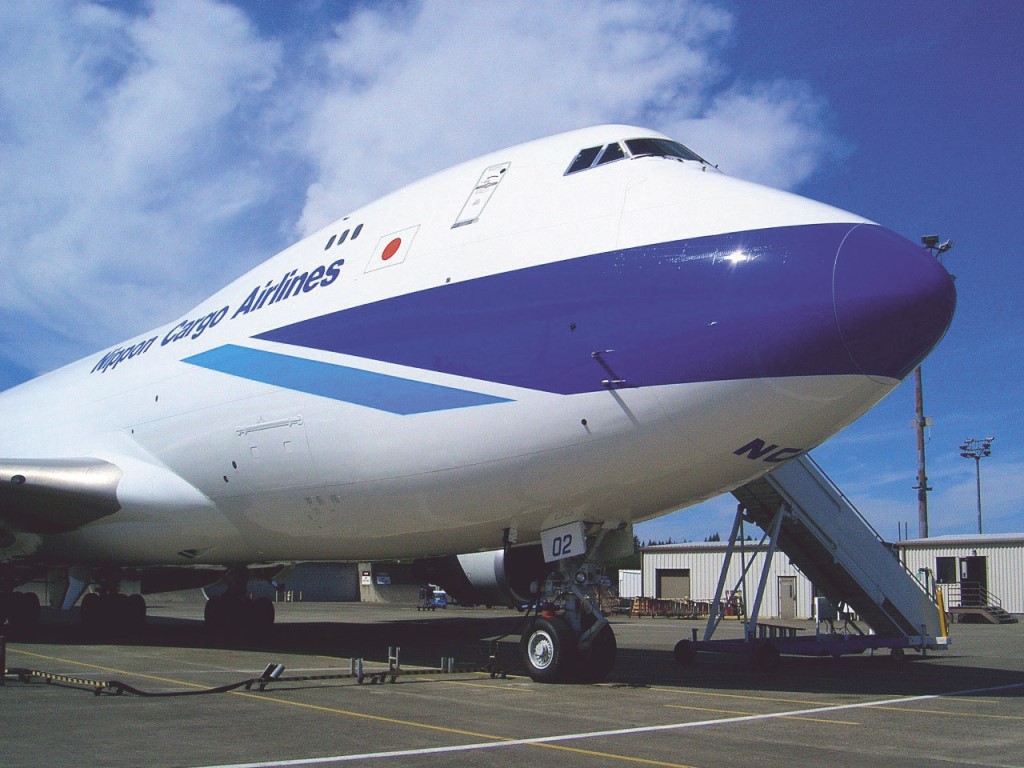
Japan’s aviation group ANA Holdings has announced a strategic reorganisation of its cargo operations following the completion of its acquisition of Nippon Cargo Airlines earlier this year. The move signals the group’s intent to sharpen its competitive position in the global air cargo market amid continued pressure on yields and rising operational costs.
In a brief statement, ANA Holdings said the reorganisation aims to “accelerate decision-making, optimise cost structures, and maximise profitability” across its cargo activities. While the group did not disclose specific measures or timelines for individual initiatives, it confirmed that the restructuring process is expected to be completed by the end of March 2026.
Crucially, Nippon Cargo Airlines will retain its own air operator’s certificate (AOC) and continue to operate as a distinct entity within the ANA Holdings group. This structure preserves regulatory independence and operational flexibility, even as closer coordination is expected behind the scenes. ANA – All Nippon Airways, which already operates dedicated freighters alongside its passenger fleet, will also continue cargo flying under its existing AOC.
The acquisition of NCA gives ANA Holdings control of two parallel cargo platforms, a setup that offers both opportunities and challenges. By maintaining separate AOCs, the group can tailor fleet deployment, labour arrangements, and network planning more precisely. At the same time, the reorganisation is expected to streamline overlapping functions such as sales, planning, procurement, and systems, helping to reduce duplication and improve margins.
Nippon Cargo Airlines, long recognised as one of Asia’s leading pure-play cargo carriers, operates an all-widebody freighter fleet and has a strong presence at Tokyo Narita International Airport, a major global cargo hub. Integrating NCA more closely with ANA’s broader logistics strategy could strengthen the group’s position on key Asia-Europe and transpacific trade lanes, particularly for high-value and time-sensitive freight.
The timing of the reorganisation reflects broader shifts in the cargo market. After record demand and yields during the pandemic, global air freight has normalised, with carriers now focused on cost discipline, network optimisation, and more agile decision-making. ANA Holdings’ emphasis on faster internal processes suggests a desire to respond more quickly to market swings and customer demand.
While ANA has so far withheld detailed plans, industry observers expect the reorganisation to include closer coordination of fleets, schedules, and commercial strategies between ANA Cargo and NCA. Digitalisation, data-driven capacity management, and tighter integration with passenger belly capacity are also likely to feature.
By setting a clear end date of March 2026, ANA Holdings is signalling a measured but decisive approach. The reorganisation is intended not only to extract value from the NCA acquisition, but also to position the group for sustainable profitability in an increasingly competitive global cargo landscape.
Related News: https://airguide.info/category/air-travel-business/airline-finance/
Sources: AirGuide Business airguide.info, bing.com, ch-aviation.com