
ATR42 Grounding Continues to Disrupt Hokkaido Air System Flights

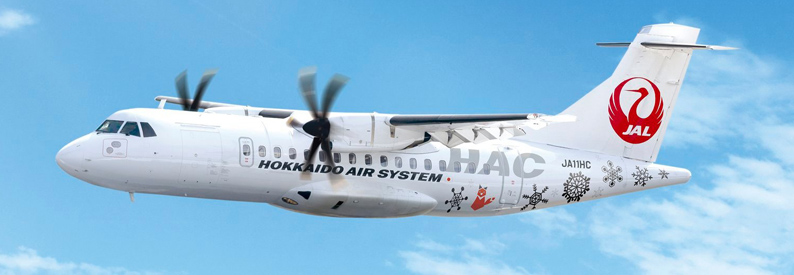
Japan’s Hokkaido Air System (HAC) has warned that network disruptions linked to the prolonged grounding of one of its ATR42 aircraft will continue into early 2026, underscoring the vulnerability of small regional fleets to technical incidents.
The carrier said the impact of the grounding is expected to persist until at least January 9, 2026. The affected aircraft, an ATR 42-600 registered as JA14HC (manufacturer serial number 1614), was involved in an incident on December 11 and has remained out of service at Hakodate Airport while undergoing repairs.
Since the incident, HAC has been operating with sharply reduced capacity. Of the airline’s four-aircraft ATR fleet, only one aircraft has been consistently available for service, severely constraining its ability to maintain scheduled operations across its domestic network. As a result, the airline has been forced to implement widespread schedule adjustments during one of the busiest travel periods of the year.
Between December 27 and January 9, Hokkaido Air System expects to cancel approximately 80 flights and reschedule a further 112 services. The disruptions have affected multiple routes linking regional airports in Hokkaido with larger hubs, impacting both leisure travelers and residents who rely on air services for essential connectivity, particularly during the winter season when alternative transport options can be limited.
HAC is a key regional operator within the Japan Airlines group, providing short-haul services to smaller communities that are not always served by larger jet aircraft. Its reliance on a small, homogeneous fleet offers operational efficiency under normal circumstances but leaves little redundancy when one or more aircraft are grounded for extended maintenance.
Industry observers note that ATR42 aircraft are widely used in Japan’s regional aviation market due to their fuel efficiency and suitability for short runways. However, prolonged groundings can have an outsized effect on airlines with limited fleet depth, particularly during peak travel periods or adverse winter weather conditions common in northern Japan.
Hokkaido Air System has not disclosed details of the incident involving JA14HC, nor has it provided a firm timeline for the aircraft’s return to service beyond the January 9 estimate. The airline said it continues to work closely with maintenance providers and aircraft manufacturer support teams to complete repairs as quickly as possible while ensuring safety standards are met.
Passengers affected by cancellations and rescheduled flights have been offered rebooking options or refunds in line with company policy. HAC has advised travelers to check the status of their flights in advance and allow additional flexibility in travel plans while recovery efforts continue.
The episode highlights the operational challenges facing small regional airlines, particularly those serving remote or weather-affected regions. As HAC works to stabilise its schedule, the airline’s experience underscores the importance of fleet resilience and contingency planning in maintaining reliable regional air connectivity.
Related News: https://airguide.info/category/air-travel-business/airline-finance/
Sources: AirGuide Business airguide.info, bing.com, ch-aviation.com