
Australia Sets $3.5m Fund for Airports Hit by Rex Collapse

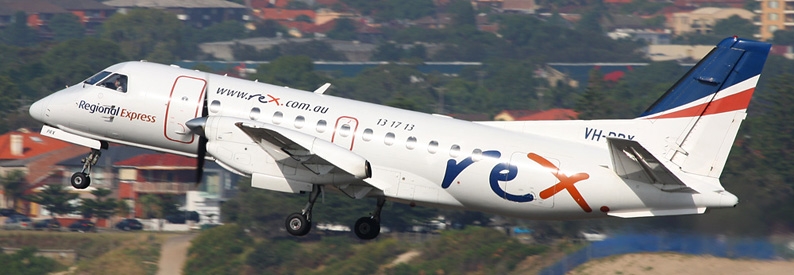
Australia has set aside AUD5 million ($3.5 million) to support regional and remote airports financially affected by the voluntary administration of Rex – Regional Express, as the government moves to stabilise essential aviation infrastructure outside major cities. Infrastructure Minister Catherine King said eligible airports can apply for compensation until March 17, 2026.
The funding is intended to assist airports that were left exposed as unsecured creditors following Rex’s entry into voluntary administration. Many regional airports rely heavily on a single carrier for passenger volumes and aeronautical revenue, making them particularly vulnerable when airline operations are disrupted or suspended. The government said the targeted support is designed to protect the long-term viability of regional air services and prevent further financial strain on smaller airport operators.
According to the Australian Airports Association, individual airports are owed between AUD45,000 and AUD650,000 ($31,000 to $450,000) in unpaid charges. These amounts relate to a mix of landing fees, terminal charges, and other operational costs accrued before Rex entered administration. As unsecured creditors, many airports faced the prospect of recovering only a fraction of what they were owed, prompting calls for government intervention.
The compensation fund follows the acquisition of Rex by Air T, a US-based aviation group, in a transaction supported by the Australian government. As part of the rescue package, Canberra provided an AUD60 million ($41.8 million) commercial loan to facilitate the takeover and ensure continuity of essential regional air services. The restructuring also involved addressing approximately AUD108 million ($75.3 million) in legacy debt.
Under the new ownership structure, Rex has committed to restoring and expanding its operational fleet of Saab 340A turboprops. The airline plans to increase the number of active aircraft from 30 to 44, a move aimed at rebuilding capacity across its regional network and improving schedule reliability. The Saab 340 remains a cornerstone of Rex’s operations, particularly on thin routes linking remote communities with state capitals and regional hubs.
For regional airports, the government funding provides short-term relief as Rex stabilises its operations under Air T ownership. Industry groups have welcomed the move, noting that many smaller airports operate on tight margins and have limited ability to absorb sudden revenue losses. Without intervention, some facilities could have faced deferred maintenance, reduced staffing, or cuts to essential services.
The government has framed the assistance as a one-off measure linked specifically to the Rex administration, rather than a broader bailout for airport operators. Officials said the aim is to safeguard regional connectivity, which is critical for economic activity, healthcare access, and social cohesion in remote parts of Australia.
As Rex works through its restructuring and fleet rebuild, the effectiveness of the compensation scheme will be closely watched by both airport operators and regional communities. The outcome is likely to influence future policy responses to airline failures in Australia’s highly concentrated regional aviation market.
Related News: https://airguide.info/category/air-travel-business/airline-finance/
Sources: AirGuide Business airguide.info, bing.com, ch-aviation.com