
British Airways Rewards Pilots to Cut Fuel Costs

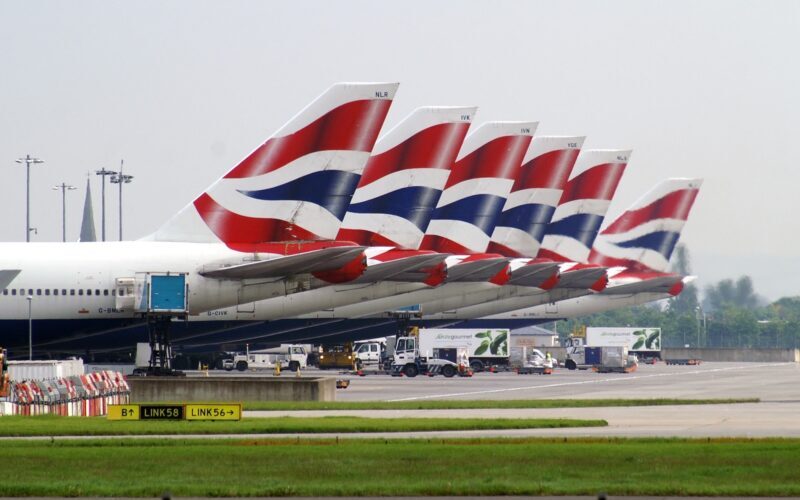
British Airways is preparing to introduce a new incentive program that rewards pilots for reducing fuel consumption, as airlines grapple with soaring jet fuel costs driven by geopolitical tensions in the Middle East.
Under the proposal, pilots would receive a bonus equivalent to 1% of their base salary if they collectively reduce carbon dioxide emissions by more than 60,000 tons compared with 2025 levels. The initiative, developed in partnership with the British Airline Pilots’ Association (BALPA), is expected to be voted on by union members later this year and could take effect in 2027.
The plan reflects growing pressure on airlines to manage operating costs while advancing sustainability goals. Fuel remains one of the largest expenses for carriers, and recent spikes in oil prices have intensified the urgency to improve efficiency. The ongoing conflict involving Iran has disrupted energy markets, with crude oil prices rising above $100 per barrel and increasing volatility across global supply chains.
Estimated Fuel Use: LHR → JFK (Approx. 3,000 NM / 7 hours)
Typical fuel burn for an Airbus A350, Boeing 787, and Boeing 777 on a transatlantic flight (London Heathrow to New York JFK) ranges roughly from 15,000 to 22,000 gallons depending on aircraft type, winds, and payload.
| Aircraft | Total fuel (kg) | Total fuel (lb) | Total fuel (L) | Total fuel (gal) | Typical passengers | Fuel per pass (kg) | Fuel per pass (gal) |
|---|---|---|---|---|---|---|---|
| A350‑900 | 50,000 | 110,000 | 63,500 | 16,800 | 310 | ~160 | ~54 |
| 787‑9 | 60,000 | 132,000 | 76,800 | 20,300 | 290 | ~205 | ~70 |
| 777‑300ER | 61,500 | 135,500 | 77,500 | 20,500 | 360 | ~170 | ~57 |
According to the International Air Transport Association, jet fuel prices have surged sharply in recent weeks, significantly increasing airline operating costs. For some carriers, fuel can account for up to 30% of total expenses, making even small efficiency gains financially meaningful.
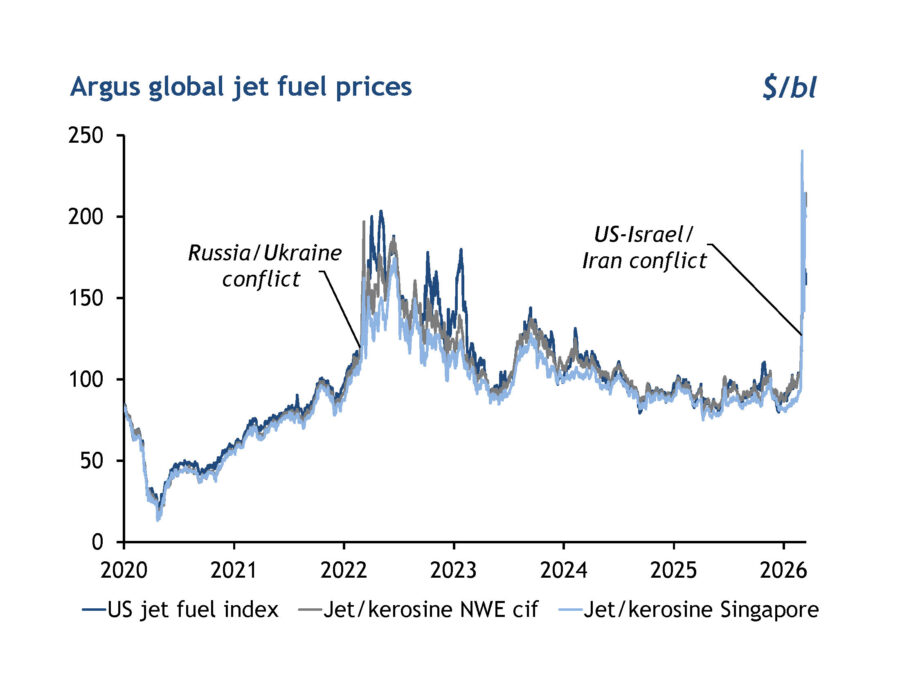
British Airways said the initiative is part of broader efforts to enhance operational performance and support environmental targets. By encouraging pilots to optimize flight paths, reduce unnecessary fuel burn, and improve in-flight efficiency, the airline aims to lower both costs and emissions without compromising safety.
The move comes as airlines worldwide implement a range of measures to offset rising fuel costs. Cathay Pacific has increased fuel surcharges, while United Airlines has warned that higher oil prices could have a significant impact on financial results and is cutting unprofitable routes. Meanwhile, Qantas and Scandinavian Airlines are raising ticket prices, and Air New Zealand has lowered its financial outlook amid ongoing uncertainty.
Industry analysts note that initiatives like pilot incentive programs are becoming increasingly important as airlines seek to balance profitability with sustainability. While technological improvements such as newer aircraft and sustainable aviation fuels remain long-term solutions, operational efficiencies offer immediate cost savings.
As fuel prices remain volatile and geopolitical risks persist, airlines are expected to continue exploring innovative ways to reduce consumption, improve margins, and maintain competitiveness in an increasingly challenging global market.
Related News: https://airguide.info/?s=British+Airways
Sources: AirGuide Business airguide.info, bing.com