
Cathay Pacific £20,000 Sydney-London Flight Amid Gulf Disruptions

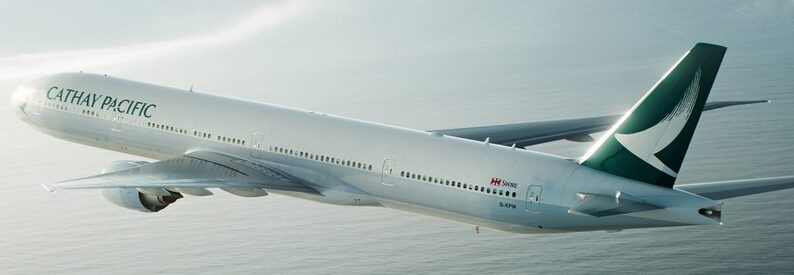
Cathay Pacific is offering a business-class return ticket between Sydney and London priced at nearly £20,000 (US$26,500) as travelers seek flight routes that avoid the increasingly volatile airspace across the Middle East. The unusually high fare reflects both surging demand and reduced route options as geopolitical tensions disrupt key aviation corridors.
The Hong Kong-based airline recently listed a return business-class fare at A$39,577, roughly £20,000, for travel between Sydney and London. The premium pricing highlights the growing pressure on long-haul routes as airlines adjust flight paths to bypass conflict-affected areas in the Gulf region.
Escalating tensions and airspace closures across parts of the Middle East have forced many airlines to reroute flights between Europe, Asia, and Australia. Several carriers are now avoiding airspace over Iran, Iraq, and surrounding regions, adding significant distance and time to already lengthy journeys.
For airlines operating ultra-long-haul routes, these detours increase operational costs through higher fuel consumption, longer flight times, and additional crew requirements. Those extra costs can quickly translate into higher ticket prices, particularly in premium cabins where demand remains strong among business travelers.
Cathay Pacific’s routing strategy has made its flights particularly attractive for passengers seeking to avoid Middle Eastern airspace altogether. The airline’s hub in Hong Kong allows it to connect Europe and Australia via East Asian flight paths, offering an alternative corridor that bypasses the Gulf region.
As a result, some travelers are choosing these routes despite the steep price tag. Premium cabins on long-haul flights remain in high demand, especially among corporate travelers and passengers seeking more comfortable travel options during extended flights.
Industry analysts say the current pricing surge is also influenced by broader aviation disruptions. Ongoing geopolitical tensions, fluctuating fuel prices, and operational constraints have created a tighter supply of long-haul capacity on certain global routes.
Travel experts note that while such extremely high fares are not typical, they often appear during periods of major disruption when demand spikes and route options shrink. Airlines sometimes release limited premium inventory at elevated prices for last-minute travelers or those with urgent travel needs.
The situation illustrates how global conflicts can ripple across the aviation sector, affecting not only flight routes but also ticket pricing and passenger travel choices. For travelers planning long-haul trips, particularly between Europe and Australia, monitoring route changes and booking early may help secure more affordable options as airlines continue adjusting operations to evolving geopolitical conditions.