
Cruise Lines Add Fuel Charges as Oil Prices Surge

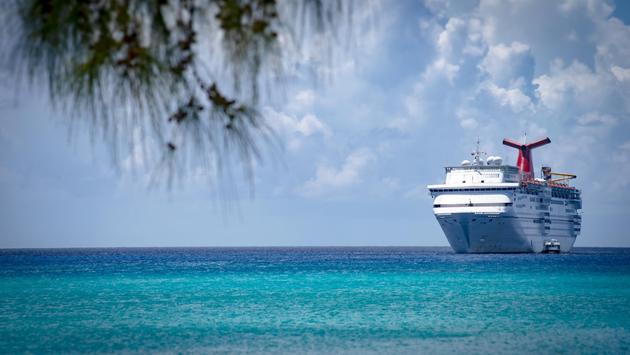
Cruise passengers are facing the prospect of unexpected additional costs as some operators begin introducing fuel surcharges amid a sharp rise in global oil prices linked to the Iran conflict. The development has sparked concern across the travel industry, with many travelers worried that more cruise lines could follow.
Recent reports indicate that at least one operator has already implemented new charges, adding between $19 and $26 per passenger per day on certain sailings. These fees apply to bookings made after mid-March and reflect the growing pressure on cruise companies as fuel costs climb. Oil prices have surged more than 40% since the conflict began, significantly increasing operating expenses across the sector.
Fuel represents one of the largest cost components for cruise operators, often accounting for billions of dollars annually. As prices rise, companies are forced to either absorb the additional expense or pass it on to customers. While some major cruise groups have so far resisted introducing surcharges, industry experts warn that prolonged high fuel costs could eventually lead to broader adoption of these fees or higher base fares.
A key concern among travelers is that many cruise contracts include clauses allowing companies to impose fuel surcharges even after a booking has been paid in full. This fine print has raised fears of retroactive charges, particularly for passengers who booked trips months in advance under different pricing assumptions. In some cases, these surcharges can add hundreds of dollars to the total cost of a vacation, especially for families or longer itineraries.
Despite the uncertainty, not all cruise lines are expected to act immediately. Some operators have hedged fuel costs or are relying on efficiency measures to offset rising prices, allowing them to delay or avoid passing costs directly to customers. However, analysts note that if elevated oil prices persist, pricing adjustments—either through surcharges or higher ticket prices—are likely over time.
The situation reflects broader disruptions across the travel industry, where airlines and cruise operators alike are grappling with higher fuel expenses tied to geopolitical tensions. For travelers, the trend underscores the importance of reviewing booking terms carefully, as additional fees may become an increasingly common feature of travel pricing in a volatile energy market.