
Delta Orders 30 Boeing 787 Dreamliners to Boost Global Fleet Renewal

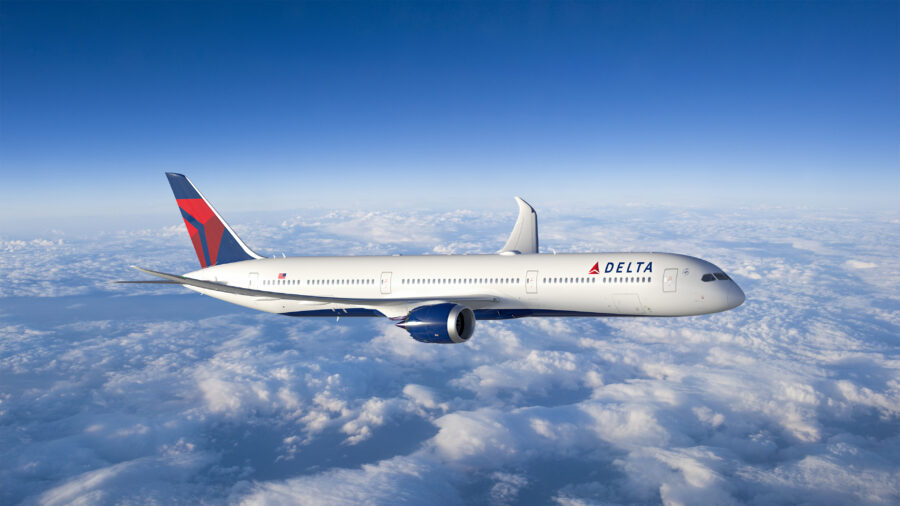
Delta Air Lines has placed an order for 30 new Boeing 787 Dreamliner widebody aircraft as part of its long-term fleet modernization strategy, reinforcing its focus on fuel efficiency, operational performance, and a premium international passenger experience. The order introduces the 787 as a new aircraft type for Delta and complements the airline’s previous commitment for 100 Boeing 737-10 Max aircraft, with deliveries scheduled to begin once certification is completed.
The new order highlights the continued strength of the U.S. aerospace manufacturing sector, with both the aircraft and their engines designed and produced in the United States. Delta selected the Boeing 787-10 variant, which will be powered by GE Aerospace GEnx engines.
“Delta is building the fleet for the future, enhancing the customer experience, driving operational improvements and providing steady replacements for less efficient, older aircraft in the decade to come,” said Ed Bastian, Delta’s chief executive officer. He added that the aircraft will be operated by Delta’s flight crews and teams worldwide, delivering the airline’s signature service on a growing global network.
- Order for 30 Boeing 787-10s, with options for 30 more aircraft
- 25% better fuel efficiency per seat than the aircraft they will replace
- Deliveries to begin in 2031
- Large premium cabins
The new higher-gauge 787 aircraft will feature world-class amenities and an expanded premium cabin offering, including Delta One Suites—which currently account for 45% of all Delta One seats across Delta’s widebody fleet—along with Delta Premium Select, Delta Comfort, and Main Cabin seating.
The aircraft will also offer more than 1,000 hours of free inflight entertainment, fast and free Delta Sync Wi-Fi, and enhanced premium food and beverage options.
The 787-10 Will Replace Older Delta Aircraft
At Delta Air Lines, the Boeing 787-10 will primarily replace older, less fuel-efficient widebody aircraft rather than a single fleet type. The clearest targets are the Boeing 767 family.
The 787-10 is expected to phase out the Boeing 767-300ER over time. Delta operates one of the world’s largest 767-300ER fleets, with many aircraft approaching or exceeding 25 years of age, making them prime candidates for retirement as new widebodies arrive.
While Delta has invested heavily in refurbishing its Boeing 767-400ER fleet and plans to retain those aircraft longer, the introduction of the 787-10 will reduce reliance on the oldest frames and allow for selective retirements over the next decade.
In addition, some Airbus A330-200 flying may be consolidated as 787-10s enter service, particularly on high-density transatlantic routes where the 787-10’s superior fuel efficiency and payload capability are most effective.
International Expansion
The 787 order marks the next phase of Delta’s international expansion, supporting what the airline expects to be the largest international schedule in its history this year. Delta’s global growth strategy is underpinned by its extensive domestic network and joint venture partnerships across Europe, Asia, Latin America, and other regions.
From a financial and operational standpoint, the new aircraft add flexibility to Delta’s widebody portfolio. “Today’s 787 order adds diversity to our widebody order book, while creating cost-efficient scale across all widebody fleets,” said Dan Janki, Delta’s chief financial officer. He noted that the strategy is designed to enhance reliability while improving unit costs over time.
The Boeing 787-10 is particularly well suited for Delta’s transatlantic and South American routes. Compared with the previous-generation widebody aircraft it will replace, the 787-10 offers roughly 25% better fuel efficiency per seat, increased passenger capacity, larger premium cabins, and enhanced cargo capability.
Passengers will benefit from the Dreamliner’s wide and quiet cabin, large electrochromic windows, expanded overhead storage, and smoother flights enabled by higher cruising altitudes. Advanced engine and fuselage technologies also contribute to reduced noise levels and improved comfort.
The aircraft will feature Delta One Suites, Delta Premium Select, Delta Comfort, and Main Cabin seating, along with fast, free Delta Sync Wi-Fi, more than 1,000 hours of inflight entertainment, and upgraded food and beverage offerings.
Delta has also entered into a long-term agreement with GE Aerospace to service the GEnx engines. GE Aerospace chairman and CEO H. Lawrence Culp Jr. said the engines will provide durability, efficiency, and reliability to support Delta’s international growth for decades.
With this order, Delta now has 232 narrowbody and 54 widebody aircraft on firm order, all within its previously announced capital expenditure and capacity plans, positioning the airline for sustained growth well into the next decade.
Related News: https://airguide.info/?s=delta+air+lines, https://airguide.info/?s=boeing+787
Sources: AirGuide Business airguide.info, bing.com, news.delta.com