
DGCA Flags Air India 787 Flights Operated Despite Repeated Snags

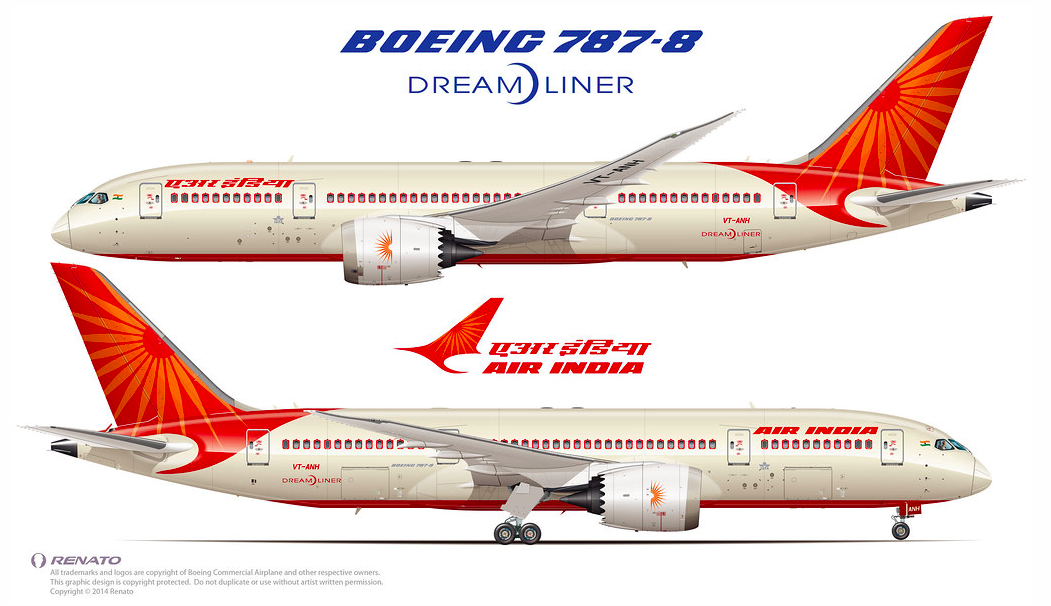
India’s aviation regulator has issued a show cause notice to Air India after the carrier operated multiple Boeing 787 flights despite repeated technical snags and Minimum Equipment List (MEL) restrictions, raising concerns over operational judgement and safety compliance.
The notice, issued by the Directorate General of Civil Aviation (DGCA), relates to Air India flights AI358 and AI357 operating between Delhi and Tokyo Haneda. According to the regulator, flight crews accepted the aircraft with prior awareness of system degradation and applicable MEL limitations, even though the same systems had logged repetitive faults across five previous sectors.
In a notice dated December 29, the DGCA said the operating crew did not fully assess MEL limits or understand the interdependence between affected systems. Compliance with MEL provisions is mandatory under India’s Civil Aviation Requirements (CAR), and the regulator noted that the repeated snags pointed to known and ongoing degradation before the long-haul Delhi–Tokyo flights were dispatched.
The DGCA highlighted a specific instance of non-compliance on June 28, 2025, involving MEL “O” conditions linked to the lower right recirculation fan on AI358. Investigators said the crew failed to properly evaluate the combined operational and safety impact of multiple inoperative systems, as required under CAR, instead treating the MEL items in isolation.
According to the regulator, this approach undermined structured risk assessment and dispatch discipline. Notices have been issued to both Air India and the pilots involved, with 14 days given to submit responses. The DGCA will decide on enforcement action under the Aircraft Rules and CAR once replies are reviewed.
The regulator’s findings come amid heightened scrutiny of airline safety practices, as investigations continue into the Air India AI171 crash at Ahmedabad involving a Boeing 787 on June 12, which resulted in 260 fatalities. While unrelated, the ongoing probe has sharpened regulatory focus on operational discipline and compliance culture.
Aviation safety expert Amit Singh, founder of Safety Matters Foundation, said the episode reflects deeper safety culture issues rather than isolated crew decisions. He pointed to repeated dispatch of aircraft with known technical defects, an over-reliance on paperwork compliance, and a tendency to shift accountability to pilots when systemic issues persist. Singh warned that when safety deviations become routine, accidents cease to be surprising.
The notice also follows a separate DGCA investigation involving an Air India Airbus A320 that operated eight domestic flights after its Certificate of Airworthiness had expired. That aircraft was grounded once the lapse was identified, and staff linked to the technical release were suspended pending inquiry. Aviation experts said such oversights are rare in modern continuing airworthiness systems, raising questions about internal quality controls and procedural discipline within the airline.
Regulators have indicated that penalties, including fines and suspension of accountable personnel, may follow if negligence or systemic weaknesses are confirmed, reinforcing the DGCA’s broader push to tighten operational oversight across India’s aviation sector.
Related News: https://airguide.info/?s=air+india, https://airguide.info/category/air-travel-business/travel-health-security/
Sources: AirGuide Business airguide.info, bing.com, aviationa2z.com, hindustantimes.com