
DOT Says Airlines Not Required to Cover Costs After Recalls

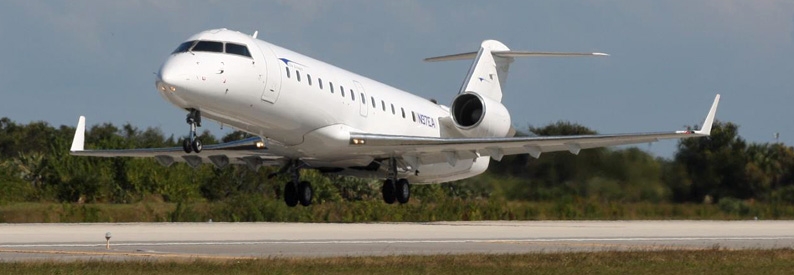
The U.S. Department of Transportation has clarified that airlines are not required to cover passenger expenses such as meals or hotel accommodations when flight delays or cancellations are caused by aircraft recalls. The guidance comes amid renewed scrutiny of airline consumer protections following widespread disruptions linked to a major Airbus software issue affecting thousands of aircraft worldwide.
According to the DOT, mechanical problems stemming from manufacturer-issued recalls fall outside the circumstances in which airlines are obligated to provide compensation or reimburse out-of-pocket expenses. While carriers are still expected to offer refunds or rebooking options for canceled flights, the department said there is no federal requirement forcing airlines to pay for food, lodging, or ground transportation when delays result from safety-related recalls.
The clarification follows recent operational disruptions triggered by a software issue involving Airbus aircraft, which reportedly affected around 6,000 planes across multiple fleets. Airlines operating impacted aircraft were forced to cancel or delay flights as inspections, updates, and corrective actions were carried out, leaving many passengers stranded with limited support beyond standard rebooking policies.
DOT officials emphasized that recalls are initiated to address safety concerns and are typically beyond the direct control of airlines. As a result, such events are treated differently from delays caused by staffing shortages, scheduling issues, or operational decisions made by carriers. In those cases, airlines may voluntarily offer compensation or amenities, but the level of support varies widely by airline and fare type.
Consumer advocacy groups have criticized the policy, arguing that passengers bear an unfair burden during large-scale disruptions regardless of the cause. They contend that travelers often face significant unexpected costs and confusion, particularly when cancellations occur far from home or during peak travel periods. However, airlines maintain that imposing mandatory expense coverage for recall-related disruptions could add significant financial strain and ultimately drive up ticket prices.
The DOT said the current guidance will remain in effect while the agency continues broader rulemaking on airline consumer protections. The department has been reviewing potential updates to existing regulations, including clearer definitions of airline responsibilities during disruptions and more transparent communication requirements for passengers.
In the meantime, the DOT is urging travelers to review airline contracts of carriage and credit card travel protections before flying. Some premium credit cards and travel insurance policies may cover meals or hotel stays during delays, even when airlines are not legally required to do so.
As aircraft manufacturers, regulators, and airlines continue to navigate complex safety and operational challenges, the issue highlights the ongoing tension between passenger expectations and regulatory limits on airline responsibility during extraordinary events such as large-scale aircraft recalls.
Related News: https://airguide.info/category/air-travel-business/airline-finance/
Sources: AirGuide Business airguide.info, bing.com