
Dubai’s Safe Haven Image Faces Regional Pressure

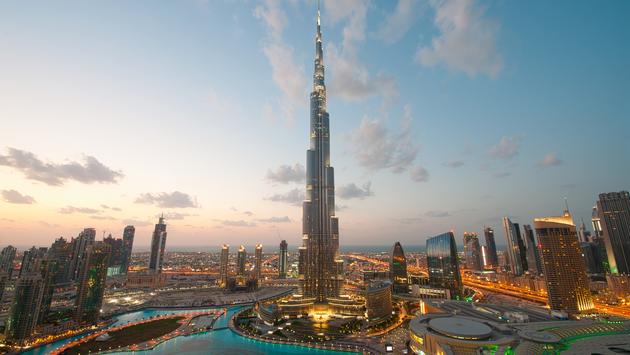
For decades, Dubai has marketed itself as a beacon of stability in a turbulent region. Its pitch blended gleaming skyscrapers, tax-free salaries, world-class infrastructure and ease of doing business with something less tangible but equally powerful: the promise that whatever turmoil gripped the wider Middle East, Dubai would remain insulated.
That perception is now being tested.
As geopolitical tensions escalate across the region, including military strikes and airspace disruptions, the United Arab Emirates’ commercial capital is confronting a new reality. While Dubai has long differentiated itself from conflict-prone neighbors, recent events have highlighted how interconnected the Gulf’s economies, transport systems and security frameworks truly are.
Dubai’s rise over the past three decades has been built on strategic neutrality, diversification and global connectivity. The emirate transformed itself into a financial, logistics and tourism hub linking Europe, Asia and Africa. Its flagship carrier, Emirates, and Dubai International Airport became central pillars of that strategy, turning the city into one of the world’s busiest transit points.
Investors, expatriates and multinational corporations were drawn not only by economic opportunity but also by political predictability. Dubai cultivated an image of pragmatic governance, modern regulation and relative social openness compared with parts of the region. In times of regional crisis, capital often flowed toward the city rather than away from it.
However, the recent wave of military activity and the temporary suspension of flights across Gulf hubs underscore the limits of geographic insulation in an era of drone warfare and long-range missile capabilities. Even when not directly targeted, Dubai’s economy can be affected by airspace closures, insurance cost spikes, travel advisories and shifting investor sentiment.
The broader question is not whether Dubai remains safer than many regional counterparts, but whether its long-standing narrative of being untouched by surrounding conflicts can still hold. As global supply chains, aviation routes and financial markets grow ever more interconnected, shocks reverberate faster and more widely.
For now, Dubai continues to operate, adapt and project confidence. But the evolving regional landscape is prompting businesses and residents alike to reassess assumptions that once felt unshakable. The emirate’s resilience may endure, yet its safe-haven status is facing one of its most serious tests in years.
Related News: https://airguide.info/category/destinations/, https://airguide.info/category/air-travel-business/airline-finance/, https://airguide.info/category/air-travel-business/travel-health-security/
Sources: AirGuide Business airguide.info, bing.com