
EASA Flags Safety Lapses in Air India Aircraft

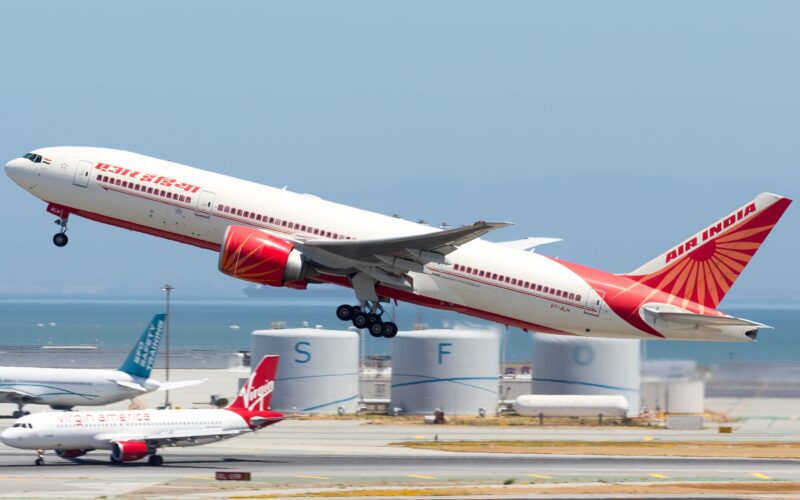
European aviation authorities have raised concerns over safety lapses in Air India aircraft following a series of surprise inspections at airports across Europe, prompting increased scrutiny from regulators and corrective action by India’s aviation watchdog.
The European Union Aviation Safety Agency (EASA) identified multiple issues during inspections carried out under its Safety Assessment of Foreign Aircraft (SAFA) program. According to officials familiar with the findings, the ratio of safety issues per inspection for Air India aircraft reached 1.96 in January, triggering concern within the Cologne-based regulator and prompting communication with India’s Directorate General of Civil Aviation (DGCA).
A ratio approaching 2 is considered a warning threshold in the SAFA framework. If exceeded, it can result in heightened inspections, operational restrictions, or in extreme cases, bans in European markets. European authorities maintain strict safety standards, and even relatively minor cabin or documentation issues are recorded as compliance findings.
European aviation safety inspections did not point to a single aircraft but rather a pattern of issues across Air India’s fleet, mainly involving older widebody jets such as Boeing 787 and 777 aircraft. The findings emerged during routine surprise inspections at multiple European airports under the SAFA program, with increased exposure at hubs like Vienna due to fuel stops on North America routes.
In response, the DGCA moved quickly to intensify oversight of the Tata Group-owned airline. Authorities imposed corrective measures and increased inspections of aircraft scheduled for international operations. Only aircraft meeting full compliance standards are now cleared for continued service.
Following these actions, Air India’s inspection ratio has improved, declining to 1.76 as of the latest assessments. However, this remains above the level typically seen in airlines with strong safety performance, which generally maintain a ratio below 1.
EASA inspections evaluate approximately 54 parameters, including aircraft documentation, safety equipment such as emergency exits and life jackets, and crew certification. Findings are categorized by severity, with Category 3 issues requiring immediate corrective action and carrying the greatest weight in the overall score.
Industry sources point to Air India’s ageing fleet as a key factor behind the higher number of recorded issues. While the airline has launched a $400 million program to refurbish older aircraft, progress has been slowed by global supply chain challenges affecting parts and maintenance timelines.
Operational changes have also increased exposure to inspections. Due to airspace restrictions, some Air India flights to North America have been making fuel stops in European cities such as Vienna, leading to more frequent checks under the SAFA program.
The developments highlight ongoing challenges for Air India as it undergoes a broader transformation under Tata Group ownership. The airline has faced repeated scrutiny over engineering and maintenance practices, including recent regulatory actions against senior officials.
To strengthen its technical capabilities, Air India is increasingly leveraging expertise from Singapore Airlines, which holds a strategic stake in the carrier. Recent leadership changes in engineering signal a renewed focus on improving maintenance standards and operational reliability as the airline works to align with global safety expectations.
Related News: https://airguide.info/?s=air+india, https://airguide.info/?s=EASA, https://airguide.info/category/air-travel-business/travel-health-security/
Sources: AirGuide Business airguide.info, bing.com, economictimes.indiatimes.com