
EASA Orders Airbus A320neo Fuselage Panel Inspections After Defect Confirmed

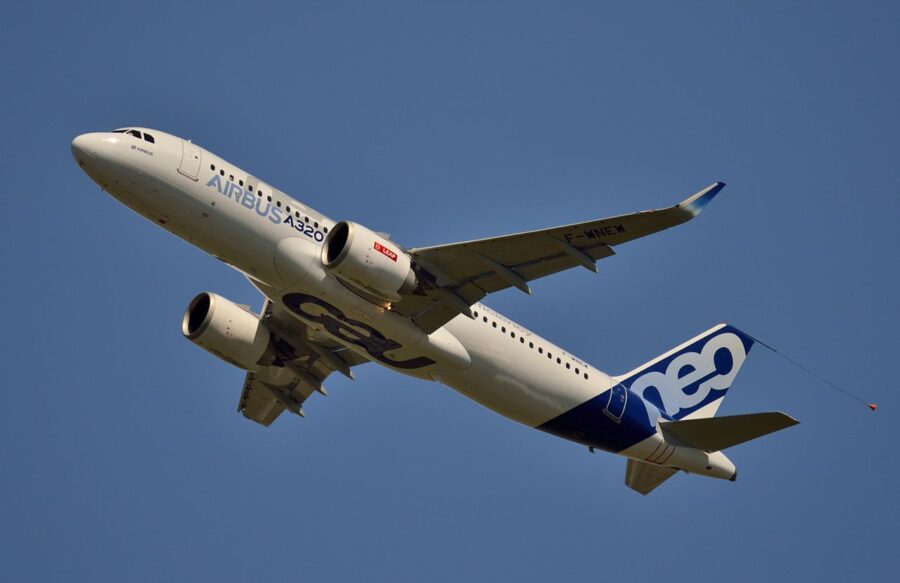
EASA has issued its first formal regulatory action on a manufacturing defect affecting Airbus A320neo forward fuselage panels, confirming that some in-service aircraft—not only those still on the production line—may be impacted.
On Friday, the European Union Aviation Safety Agency published a Proposed Airworthiness Directive (PAD) requiring inspections of a defined subset of A319neo, A320neo, and A321neo aircraft. The move follows weeks of industry speculation after Airbus disclosed a quality issue involving forward fuselage skin panels. Early reports suggested the problem was limited to undelivered aircraft, but EASA has now confirmed that some jets already in commercial operation also carry the affected panels.
Under the proposed directive, operators must conduct detailed thickness measurements and structural inspections of specific forward fuselage skin panels, known as Section 12—an area subject to repeated pressurization cycles and strict structural oversight. EASA is not applying the directive fleet-wide. Instead, applicability is determined aircraft-by-aircraft through traceability of certain panels produced within an identified supplier batch. Operators must confirm applicability using Airbus documentation referenced in the PAD.
EASA divides the affected fleet into two categories. Group 1 covers aircraft that already have approved structural repairs in the same panel area. These jets would face accelerated inspection deadlines, as a repaired structure combined with a potentially thin skin panel could further reduce structural margins. Group 2 includes aircraft without prior repairs, which would be allowed longer inspection timelines. Until inspections are completed, additional repairs on the affected panels are restricted.
The regulator emphasizes that the PAD is precautionary. There is no evidence of in-service structural failures, but the potential for reduced fatigue margins warrants early inspection and data collection.
According to Reuters, the PAD’s scope includes 177 in-service A320neo family aircraft and 451 jets still in production. Earlier internal documentation suggested around 628 airframes may require verification in total. With more than 4,200 A320neo-family aircraft delivered globally, the issue affects roughly 4 percent of the fleet.
The PAD also outlines temporary operational limitations involving the cabin pressurization system. Until inspections are completed, dispatch is discouraged if the primary automatic pressurization control channel is inoperative—again reflecting standard risk-mitigation practices rather than evidence of an imminent safety hazard.
The fuselage panel issue adds to a series of recent challenges for Airbus. Earlier this year, a defective software update temporarily grounded thousands of A320-family aircraft following a JetBlue incident linked to a radiation-triggered avionics malfunction. Meanwhile, Pratt & Whitney’s major GTF engine recall continues to constrain A320neo operations worldwide, and cold-weather restrictions remain in place for certain engines.
The cumulative effect of these disruptions contributed to Airbus reducing its 2025 delivery target from 820 to around 790 aircraft. The manufacturer has stated that newly produced fuselage panels now meet all specifications, and production continues at a controlled pace as affected aircraft undergo inspection and verification.
EASA describes the PAD as an interim measure, signaling that additional directives could follow once sufficient inspection data is collected.
Related News: https://airguide.info/?s=Airbus+A320, https://airguide.info/category/air-travel-business/travel-health-security/
Sources: AirGuide Business airguide.info, bing.com, reuters.com, aerospaceglobalnews.com