
Elliott Cuts Southwest Stake but Remains Key Shareholder

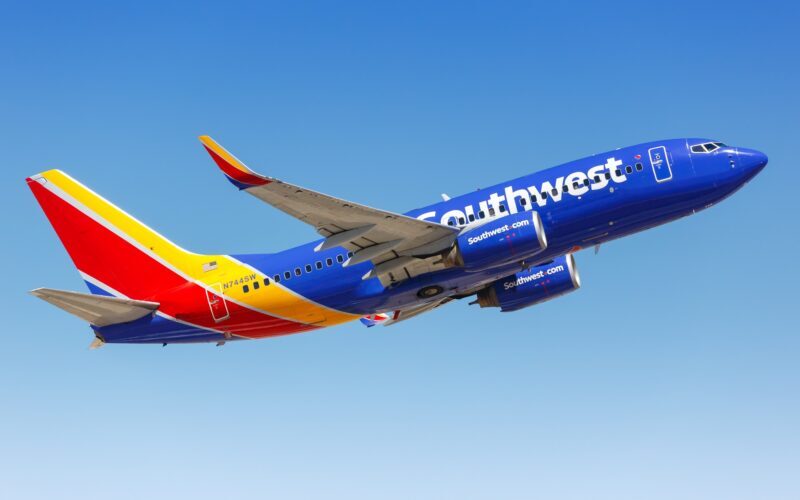
Activist investor Elliott Investment Management has reduced its ownership stake in Southwest Airlines, trimming its holding to 13.1% after playing a central role in pushing the carrier through a series of strategic changes over the past two years.
In a filing with the US Securities and Exchange Commission, Elliott said that despite lowering its stake, it intends to remain a major shareholder. The firm said it continues to have confidence that Southwest’s execution of its ongoing strategic initiatives will lead to “greater profitability, accretive capital-allocation opportunities, and shareholder value creation.”
Elliott’s influence over the Dallas Love Field-based airline peaked in early October 2025, when it held around 16% of Southwest’s outstanding shares and had the option to increase that position further. Under the latest disclosure, Elliott now holds about 3.2% of Southwest shares directly in cash. The remaining 9.9%, representing approximately 51.1 million shares, sits below the 10% ownership threshold required to call a special shareholders’ meeting.
That distinction is notable, as Elliott previously used its larger stake to push for sweeping changes at Southwest, including pressure on the board and management to modernize the airline’s long-standing business model. At the time, the investor argued that Southwest was failing to deliver sufficient value to shareholders and lagging peers in profitability and strategic flexibility.
Elliott was particularly critical of some of Southwest’s traditional practices, such as its unassigned, all-economy seating model, which had been a hallmark of the airline for decades. The activist investor also called for a broader review of the carrier’s network strategy, cost structure, and growth options.
Over the past year, Southwest has rolled out a series of initiatives that chief executive Bob Jordan described as “the most significant transformation” in the airline’s history. These changes include the introduction of red-eye flights, adjustments to seating and cabin strategy, and a streamlining of the corporate organization. Management has also explored new growth opportunities, including the possibility of launching long-haul international services and evaluating aircraft types beyond the Boeing 737 family that has historically dominated the fleet.
Financially, Southwest has shown signs of stabilization during the transformation period. Through the end of the third quarter of 2025, the airline reported total operating revenue of USD20.6 billion and net income of USD118 million, according to company financial data.
Elliott’s decision to reduce its stake suggests a partial monetization of its investment, while its continued sizable holding indicates ongoing confidence in Southwest’s strategic direction. The move also gives management greater operational breathing room, even as the airline remains under the watchful eye of one of Wall Street’s most influential activist investors.
Related News: https://airguide.info/category/air-travel-business/airline-finance/
Sources: AirGuide Business airguide.info, bing.com, ch-aviation.com