
FAA Approves Higher MTOW for Boeing 787-9 and 787-10

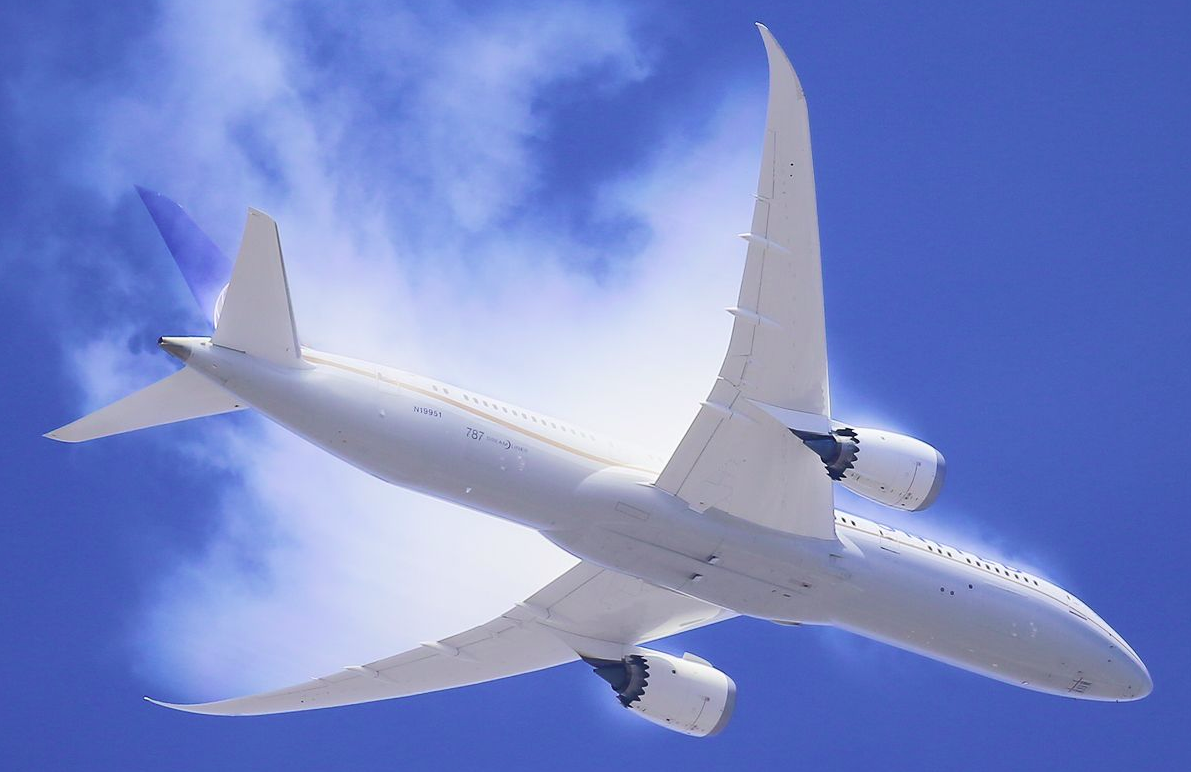
The Federal Aviation Administration (FAA) has approved higher maximum takeoff weights (MTOW) for the Boeing 787-9 and 787-10, unlocking increased payload capacity and extended range for airlines operating long-haul routes.
The certification of the increased maximum takeoff weight (iMTOW) option marks a significant performance upgrade for Boeing’s Dreamliner family, giving carriers greater flexibility to carry additional passengers or cargo, or to operate longer routes without requiring a new aircraft variant.
Boeing confirmed the approval on March 23, 2026, describing it as a major milestone driven by airline demand for improved efficiency and network optimization. The enhancement is already being incorporated into aircraft currently in final assembly and pre-delivery testing.
Under the upgrade, airlines can benefit from improved economics by maximizing payload on high-demand routes or extending the operational range of the aircraft to serve new city pairs. This is particularly valuable for ultra-long-haul operations and routes affected by airspace restrictions that require longer flight paths.
787‑9 Performance Gains
- +10,000 lb (≈4,540 kg) MTOW increase
- Enables ~3 metric tons of additional payload
- Adds 300+ nautical miles of range
787‑10 Performance Gains
- +14,000 lb (≈6,350 kg) MTOW increase
- Enables ~5 metric tons of additional payload
- Adds 400+ nautical miles of range
The Boeing 787-9 and 787-10 are key members of the Dreamliner family, widely used by airlines for long-haul international services. Both variants are known for their fuel efficiency, with approximately 20–25% lower fuel burn and CO₂ emissions compared to previous-generation widebody aircraft. These improvements allow airlines to:
- Open new long‑haul routes
- Improve cargo uplift on existing flights
- Operate from challenging airports (hot‑and‑high conditions)
- Enhance network flexibility without additional fuel burn penalties
The increased MTOW certification allows airlines to extract additional performance without major design changes, making it a cost-effective upgrade for operators seeking to optimize fleet utilization. It also supports airlines facing operational challenges such as rerouting around restricted airspace or increasing cargo demand on long-haul flights.
According to Boeing, all newly built 787-9 and 787-10 aircraft produced since December 2025 are being delivered with the capability to support the higher takeoff weight, ensuring that airlines can immediately take advantage of the enhanced performance.
The upgrade comes at a time when airlines are increasingly focused on efficiency, flexibility, and resilience in network planning. Rising fuel costs, shifting passenger demand, and geopolitical disruptions are driving carriers to seek aircraft that can adapt quickly to changing market conditions.
With the FAA’s approval now in place, the enhanced Boeing 787-9 and 787-10 are expected to play an even greater role in shaping long-haul travel, enabling airlines to expand route networks while maintaining cost efficiency and operational flexibility.
Related News: https://airguide.info/?s=787, https://airguide.info/?s=FAA
Sources: AirGuide Business airguide.info, bing.com, boeing.com