
FAA Flags Boeing 737NG Stabilizer Freeplay Risk, Orders Inspections

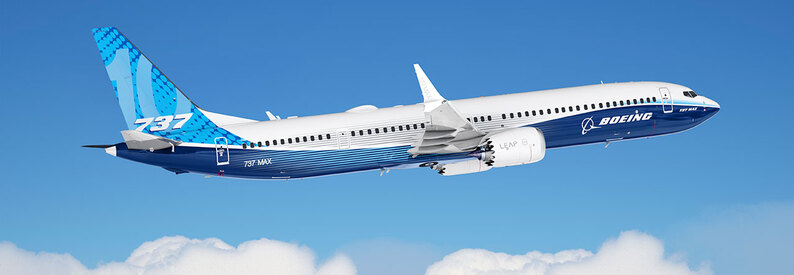
The Federal Aviation Administration (FAA) is preparing to mandate inspections of horizontal stabilizer components on Boeing 737 Next Generation (NG) aircraft after identifying a potential flight control risk linked to excessive freeplay in key structural elements.
According to a draft airworthiness directive scheduled for publication on January 9, the FAA intends to require operators to inspect the left and right horizontal stabilizer pivot hinges as well as the stabilizer jackscrew. The inspections are aimed at measuring freeplay values—essentially looseness in the assembly—that could adversely affect pitch control. Any components found to exceed allowable limits would have to be replaced before the aircraft can continue operating.
“Currently, there is no inspection requirement in place to address the wear of the left and right horizontal stabilizer pivot hinges and jackscrew,” the FAA said in the draft rule. The agency warned that undetected wear in these components could degrade handling qualities over time.
The FAA said excessive stabilizer freeplay has been associated with multiple reports of “pitch oscillation events,” a condition in which the aircraft experiences repeated, unintended nose-up and nose-down movements. While the draft directive does not provide detailed descriptions of the inflight events, such oscillations can increase pilot workload and, in certain conditions, affect aircraft controllability.
Boeing first alerted airlines to the issue in a service bulletin issued in June 2025. In that bulletin, the manufacturer outlined inspection procedures and recommended compliance timelines to identify and correct excessive wear. The FAA’s proposed mandate is based directly on Boeing’s findings and recommendations, effectively elevating the manufacturer’s guidance to a regulatory requirement.
The draft directive does not yet specify inspection deadlines or the full global fleet impact. Instead, the FAA said affected operators should consult Boeing’s service bulletin for details on compliance schedules and applicable serial numbers. Once finalized, the directive would be legally binding for US operators and is expected to be adopted by aviation authorities in other jurisdictions.
The FAA estimates that the rule would apply to 1,987 Boeing 737NG aircraft registered in the United States alone. Given the widespread use of the 737NG worldwide, particularly among low-cost and short-haul carriers, global adoption of similar requirements is considered likely through bilateral agreements and parallel actions by regulators such as EASA.
The 737NG family, which includes the -600, -700, -800, and -900 variants, remains a workhorse of global airline fleets despite the introduction of newer models. As aircraft age, regulators have increasingly focused on wear-related issues affecting flight control systems, structures, and interfaces.
The proposed inspections underscore the FAA’s continued emphasis on proactive risk mitigation, particularly for control system components where gradual wear may not be immediately apparent during routine operations. If adopted as expected, the directive will add another maintenance requirement for 737NG operators as part of broader efforts to ensure continued airworthiness of aging narrowbody fleets.
Related News: https://airguide.info/?s=boeing+737, https://airguide.info/category/air-travel-business/travel-health-security/
Sources: AirGuide Business airguide.info, bing.com, aviationweek.com