
FAA Orders Action on Boeing 737 Max Overheating Risk


The Federal Aviation Administration has issued an emergency Airworthiness Directive (AD) affecting all US-registered Boeing 737 Max aircraft following reports of uncontrolled cockpit and cabin overheating during flight.
The directive, issued on February 24 and effective immediately, applies to 737 Max 8, Max 9, and Max 8-200 variants, covering 771 aircraft on the US registry. Airlines operating the 737 Max from major hubs such as Dallas Fort Worth and New York JFK must comply within 30 days. While the FAA is accepting public comments, the directive mandates immediate operational changes.
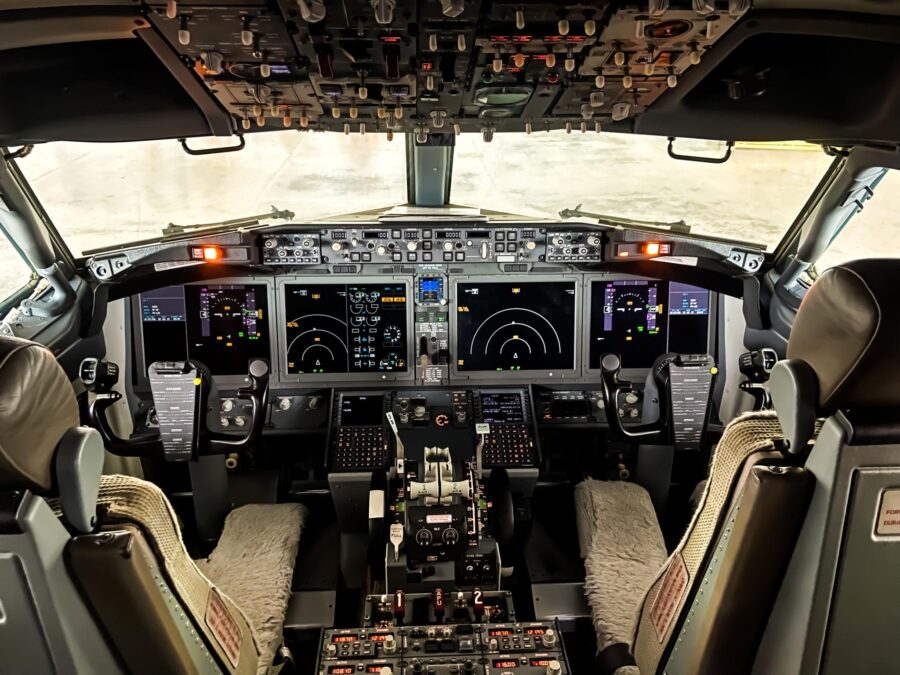
The regulatory action follows two in-flight incidents in which flight crews experienced excessive cockpit and cabin temperatures that could not be managed using existing procedures. Investigators traced the issue to the tripping of circuit breaker CB3062, part of the Standby Power Control Unit in the aircraft’s electrical system.
CB3062 is associated with the BAT BUS SECT 2 circuit, which supports systems including air conditioning, cabin pressurization, and overheating protection. When the breaker trips, it can generate an unintended electrical signal that causes two valves to close, restricting cooling airflow to the environmental control system’s heat exchangers. This prevents hot engine bleed air from being properly cooled before entering the cockpit and passenger cabin, potentially leading to rapidly rising temperatures.
The FAA warned that prolonged exposure to extreme heat could impair crew performance and increase the risk of injury. If pilots become unable to safely operate the aircraft, continued flight and landing safety could be compromised.
Under the directive, operators must revise flight manuals within 30 days to incorporate updated emergency procedures. Crews are instructed to initiate a controlled descent if the affected circuit breaker trips and plan a landing at the nearest suitable airport.
Pilots may attempt a single reset of CB3062, located behind the right seat in the cockpit. If the reset is unsuccessful, crews must shut off engine bleed air to prevent further overheating. Additional mitigation steps may include reducing lighting loads, turning off in-flight entertainment systems, opening the cockpit door to improve airflow, and descending to the lowest safe altitude or 10,000 feet, whichever is higher. Airbrakes may be deployed to increase descent rate and help lower cabin temperatures.
The FAA described the directive as an interim measure. A broader review has identified additional downstream circuit breakers that could pose similar risks. Boeing is developing a technical modification to address the unsafe condition, and further regulatory action may follow once a permanent fix is certified.
Related News: https://airguide.info/?s=FAA, https://airguide.info/?s=boeing+737, https://airguide.info/category/air-travel-business/travel-health-security/