
FAA Orders Boeing 757 Winglet Crack Checks

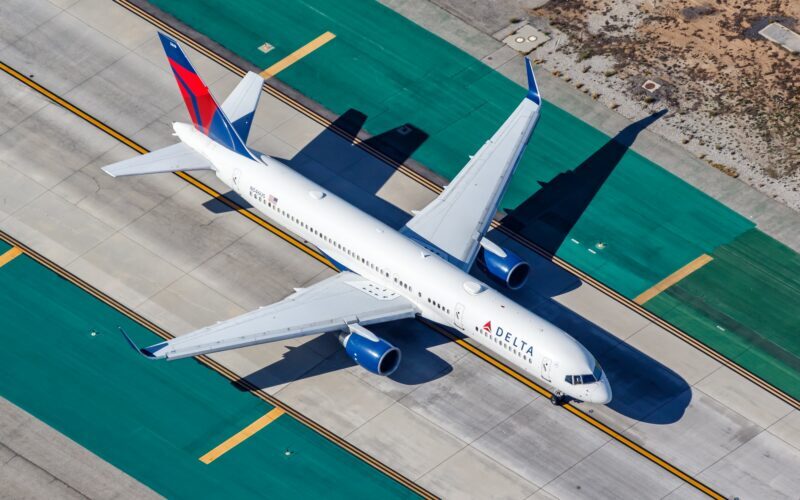
US and European regulators have ordered urgent inspections of certain Boeing 757 aircraft fitted with Aviation Partners Boeing scimitar blended winglets after multiple crack findings prompted swift regulatory action.
The Federal Aviation Administration issued an immediately effective airworthiness directive on February 26 requiring operators to complete high-frequency eddy current inspections within five days. The European Union Aviation Safety Agency adopted the directive on February 27, aligning European oversight with the US mandate.
The action follows reports of cracks discovered during heavy maintenance checks on a Boeing 757-200 equipped with scimitar blended winglets. According to the FAA, the crack was found in the inspar outer lower wing skin near access panel 543BB, a machined skin panel installed as part of the winglet modification.
The affected panel was not previously subject to mandatory repetitive inspection requirements. Aviation Partners Boeing, the supplier of the winglet system, responded by issuing an alert service bulletin on February 4 recommending inspections within 30 days. However, after additional crack reports surfaced, regulators shortened the compliance window to five days.
In total, five aircraft have been identified with cracking in the specified area, prompting concern about structural integrity in the modified wing structure. The FAA directive applies to 156 US-registered Boeing 757 aircraft fitted with the scimitar blended winglet configuration.
Fleet data indicates that 265 Boeing 757 aircraft worldwide are equipped with winglets, including some in storage, though not all feature the upgraded scimitar blended winglet variant targeted by the directive.
The scimitar blended winglet program was launched in 2015, with United Airlines as the launch customer. The modification replaces the standard aluminum blended winglet tip with a distinctive scimitar-shaped tip cap designed to improve aerodynamic efficiency and reduce fuel burn. The FAA and EASA granted supplemental type certification for the 757 scimitar blended winglets in 2016.
High-frequency eddy current inspections are commonly used to detect small surface and subsurface cracks in metallic structures. Regulators emphasized that prompt inspections are necessary to identify potential structural issues before they propagate.
Operators must report findings and complete required corrective actions before returning affected aircraft to full service. The directive underscores continued oversight of aging narrowbody fleets and the importance of monitoring structural modifications throughout an aircraft’s operational life.
Related News: https://airguide.info/?s=757, https://airguide.info/?s=FAA, https://airguide.info/category/air-travel-business/travel-health-security/