
FAA Orders PW1100G Engine Modifications After Fire Incidents

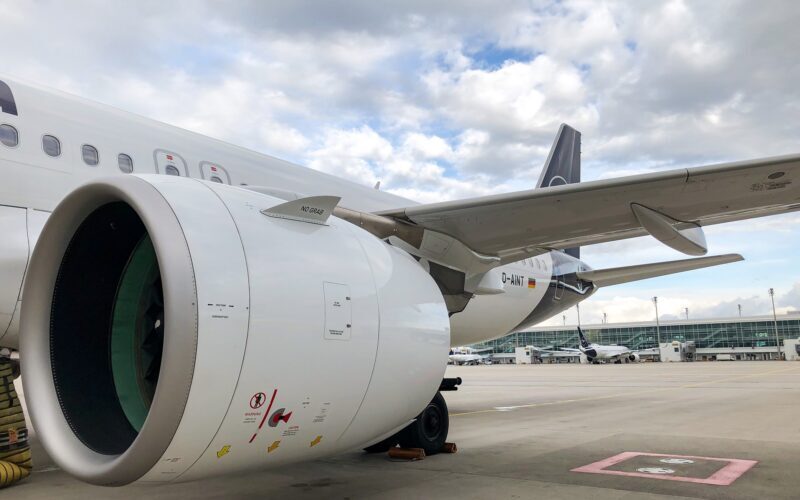
The Federal Aviation Administration has ordered mandatory modifications to Pratt & Whitney’s PW1100G engines following several in-service engine fires, escalating earlier manufacturer recommendations into a binding regulatory requirement.
In an airworthiness directive (AD) published on Jan. 12, the FAA requires U.S. airlines to carry out specific maintenance actions on affected engines within 30 days of the directive’s Feb. 17 effective date. The order applies to 586 PW1100G engines installed on U.S.-registered aircraft.
The PW1100G is one of two engine options available on the Airbus A320neo family, alongside the CFM International Leap-1A. The FAA’s action follows multiple incidents involving fan blade fractures, including three events that resulted in under-cowl engine fires.
“This AD was prompted by multiple reports of fan-blade fracture events, three of which resulted in an engine under-cowl fire,” the FAA said. “The FAA is issuing this AD to prevent a fuel leak resulting from a fan blade fracture.”
According to the directive, the failures can damage components within the engine’s thermal management system, leading to cracked fuel tubes and the potential for fuel leaks and fire. The FAA is now mandating hardware changes intended to mitigate that risk.
Under the order, airlines must remove a loop cushion clamp associated with a fuel tube assembly within 30 days of the AD’s effective date. In addition, at the next engine shop visit, operators must replace the existing thermal management system clevis mounts with redesigned mounts and reinstall the clamp in its updated configuration.
Pratt & Whitney had previously addressed the issue through service bulletins issued over recent years, recommending the same corrective actions now mandated by the FAA. In a statement, the company said, “The AD is consistent with the actions published in Pratt & Whitney service bulletins previously released to operators and has been nearly completed across the fleet.”
The FAA’s directive formalizes those recommendations, ensuring compliance across all affected U.S. operators.
The action comes as airlines continue to manage a separate, large-scale PW1000G geared turbofan recall tied to manufacturing defects in powdered metal components, which has already forced the grounding of hundreds of aircraft worldwide. While unrelated, the overlap adds further strain to fleet planning and maintenance resources.
The FAA estimates the required work will take approximately 125 labor hours per engine, representing a significant maintenance burden but one regulators say is necessary to address a known safety risk.
The directive underscores the FAA’s continued focus on engine containment, fire prevention, and proactive risk mitigation—particularly as next-generation propulsion systems mature under heavy global utilization.
Related News: https://airguide.info/?s=FAA, https://airguide.info/?s=PW1100G, https://airguide.info/category/air-travel-business/travel-health-security/
Sources: AirGuide Business airguide.info, bing.com, flightglobal.com