
FAA Probes Near Miss Between Southwest Flights in Nashville

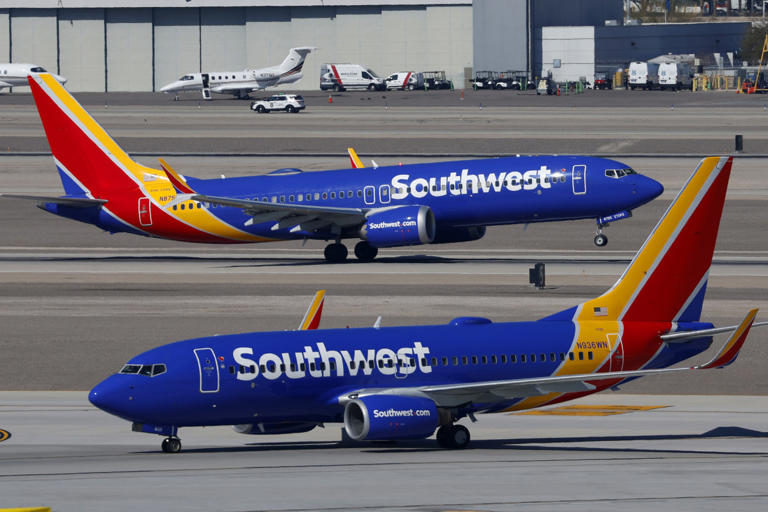
The Federal Aviation Administration has launched an investigation after two Southwest Airlines aircraft came dangerously close to colliding over Nashville International Airport on April 18, highlighting ongoing concerns about air traffic control capacity and operational safety.
According to preliminary information from the FAA, the incident occurred when Southwest Flight 507, arriving from Myrtle Beach, initiated a go-around due to gusty wind conditions. During the maneuver, air traffic control instructions placed the aircraft on a flight path that conflicted with another Southwest flight, Flight 1152, which had just been cleared for takeoff from a parallel runway bound for Knoxville.
The situation escalated rapidly as both aircraft entered converging paths. Their onboard traffic collision avoidance systems (TCAS) issued resolution advisories, prompting pilots to take immediate corrective action. Within seconds, both crews adjusted their flight paths, successfully avoiding a collision. Audio recordings indicate that pilots and controllers maintained calm and coordinated communication throughout the brief but critical event.
Both flights later landed safely without injuries or damage. Flight 507 returned to Nashville approximately an hour after the incident, while Flight 1152 continued to its destination and landed without further issues.
The near miss comes less than two days after the FAA implemented a ground delay at the airport due to a shortage of air traffic controllers. Staffing constraints have been an ongoing challenge across the U.S. aviation system, raising concerns about workload and operational risk, particularly at busy airports.
Nashville’s airspace has also drawn attention for runway safety metrics. FAA data indicates the airport ranks among the top 100 in the country for runway incursions, which involve the incorrect presence of aircraft, vehicles, or personnel in protected runway areas. While such events remain relatively rare, they are considered serious safety risks and are closely monitored by regulators.
Industry analysts note that incidents like this underscore the importance of layered safety systems, including pilot training, air traffic control procedures, and onboard collision avoidance technology. While these systems functioned as intended in this case, the incident highlights the need for continued investment in staffing, infrastructure, and safety oversight.
The FAA said the investigation will focus on air traffic control instructions, communication protocols, and contributing environmental factors such as weather conditions. Southwest Airlines confirmed it is cooperating fully with the review and emphasized that safety remains its top priority.
As air travel demand continues to grow, the outcome of the investigation may influence future policies aimed at reducing operational risks and improving resilience across the aviation network.
Related News: https://airguide.info/?s=southwest+airlines, https://airguide.info/category/air-travel-business/travel-health-security/
Sources: AirGuide Business airguide.info, bing.com, yahoo.com