
FAA Requires 25-Hour Cockpit Audio, Sparking Pilot Surveillance Debate

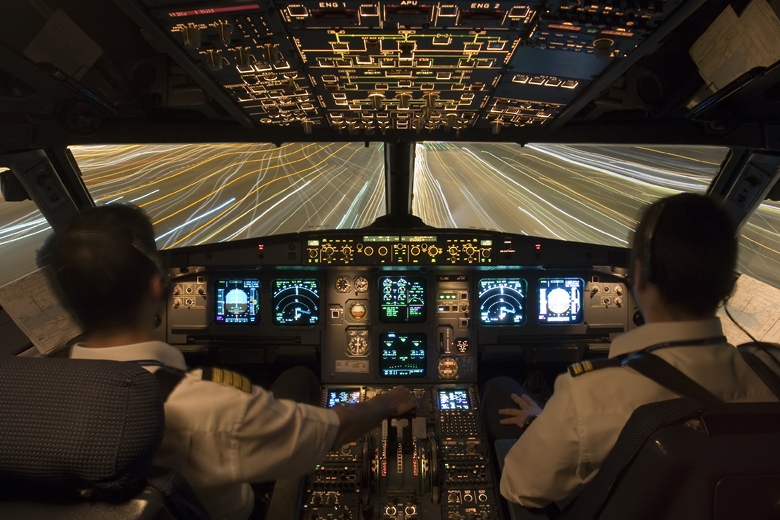
Federal Aviation Administration has issued a final rule mandating that cockpit voice recorders (CVRs) on newly manufactured aircraft retain at least 25 hours of audio, replacing the long-standing two-hour recording loop. The change is intended to prevent critical cockpit audio from being overwritten before investigators can secure it, particularly in incidents that are identified or reported hours after they occur.
The new requirement takes effect on February 2, 2026, and applies to newly built aircraft operating under Parts 91, 121, 125, and 135 that are already required to carry a CVR. Compliance is phased based on aircraft size and category. Transport-category aircraft with 30 or more passenger seats manufactured on or after May 16, 2025, must meet the new standard first, reflecting timelines set by the 2024 FAA reauthorization law.
Smaller aircraft with 29 or fewer seats operating under Parts 91, 125, or 135 will be required to comply starting February 2, 2027. Other CVR-equipped aircraft not captured in those categories will transition by February 2, 2029. The FAA has emphasized that it is legally prohibited from using CVR recordings for civil penalties or pilot certificate actions unrelated to a specific safety investigation.
Despite the safety rationale, the rule has triggered strong opposition from pilot groups. Air Line Pilots Association and other unions argue that a 25-hour cockpit audio archive effectively turns a safety device into a surveillance tool. They warn that longer retention increases the risk of unauthorized access, data leaks, or misuse, including concerns about recordings being obtained by hostile actors or used internally for disciplinary purposes.
Unions and commenters have also raised concerns about cockpit culture. Pilots argue that knowing conversations are recorded for more than a full day of operations could lead to self-censorship, undermining crew resource management and the open, candid communication that helps crews identify and resolve errors early. Critics also note that law enforcement authorities could potentially access hours of audio unrelated to the event under investigation.
While the FAA maintains that it cannot use CVR data for enforcement outside safety investigations, it has acknowledged that aircraft owners or operators regain control of the recorder once it is returned. This has heightened pilot anxiety about potential reputational or disciplinary consequences arising from offhand cockpit remarks unrelated to safety.
The push for extended-duration CVRs has been building for years. The National Transportation Safety Board has recommended a 25-hour standard since 2018, citing repeated cases where crucial audio was lost because recorders continued looping. A key example was a 2017 incident at San Francisco International Airport involving an Air Canada Airbus A320, where cockpit audio was overwritten before investigators could review it.
Internationally, the US has been playing catch-up. The International Civil Aviation Organization adopted a 25-hour CVR standard in 2016, and European Union Aviation Safety Agency rules followed suit for new aircraft. Congress ultimately codified the shift in the 2024 FAA reauthorization, compelling the FAA to finalize the phased mandate.
As the rule takes effect, the debate highlights a central tension in modern aviation: balancing investigative transparency and safety improvements with pilot privacy and cockpit trust.
Related News: https://airguide.info/?s=FAA, https://airguide.info/category/air-travel-business/travel-health-security/
Sources: AirGuide Business airguide.info, bing.com, simpleflying.com