
Formula 1 2026: Aviation-Inspired Tech Drives New Era

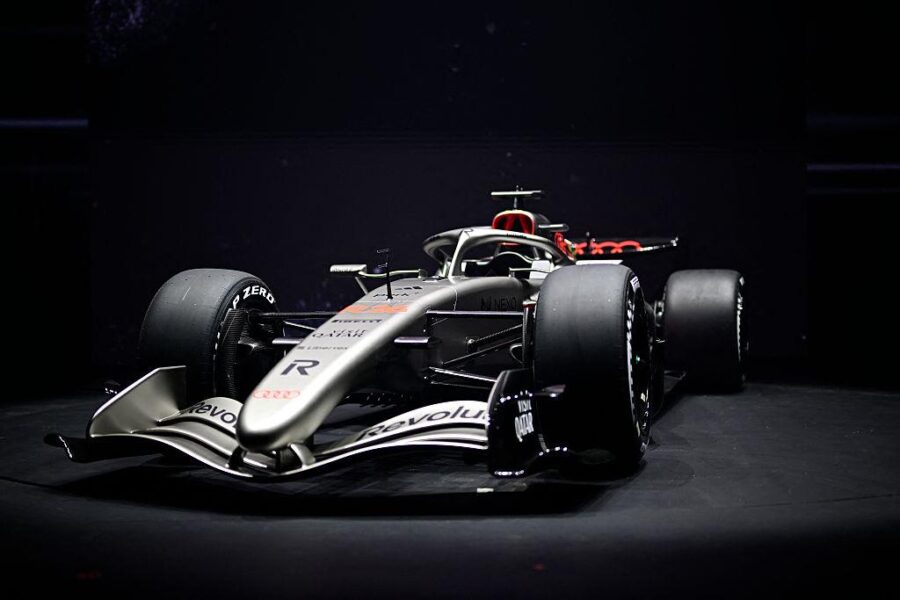
The 2026 Formula 1 season is set to usher in one of the most significant regulatory overhauls in modern F1 history, with the opening round at the Australian Grand Prix on March 8, 2026, marking the start of a new technical era. F1 technology and engenineering has deep roots in aviation.
The sweeping changes are designed to increase sustainability, improve racing quality and attract new manufacturers, while preserving the sport’s position at the cutting edge of automotive innovation.
A significant share of Formula 1’s most advanced technology has deep roots in aviation engineering. Both industries operate at the edge of physics, where weight, aerodynamics, structural strength and thermal efficiency must be optimized simultaneously. In fact, many of the tools and materials that define modern F1 were either pioneered in aerospace or developed in parallel with it.
Hybrid Power Units Enter a New Phase
Thermal management and hybrid systems reflect aviation influence. Modern F1 hybrid power units operate at extreme temperatures and pressures similar to turbine engines. Energy recovery systems, advanced battery management and high-efficiency turbochargers share conceptual similarities with aerospace propulsion research. Even the philosophy of redundancy and safety engineering in F1 echoes aviation’s rigorous certification mindset.
Since 2014, Formula 1 has relied on advanced hybrid power units combining a turbocharged V6 internal combustion engine with two energy recovery systems: the MGU-K (Motor Generator Unit–Kinetic) and MGU-H (Motor Generator Unit–Heat).
For 2026, the power unit concept evolves significantly. The MGU-H will be removed, simplifying the system, while electrical power output from the MGU-K will be dramatically increased. The result is a roughly 50/50 split between internal combustion and electric power, making the new generation of F1 cars more electrified than ever before.
Sustainable fuels will also play a central role, with fully synthetic, carbon-neutral fuels becoming mandatory. These changes align Formula 1 with broader automotive industry trends and global emissions targets.
Aerodynamics and Ground Effect Refinement
Aerodynamics is the clearest overlap from aviation. The use of computational fluid dynamics (CFD), wind tunnel testing, and airflow modeling in F1 mirrors processes long used in aircraft design. Ground effect principles, pressure differentials, vortex management and drag reduction strategies all stem from aerospace science. Even the way F1 teams study wake turbulence and airflow interaction between cars resembles how engineers analyze aircraft wingtip vortices.
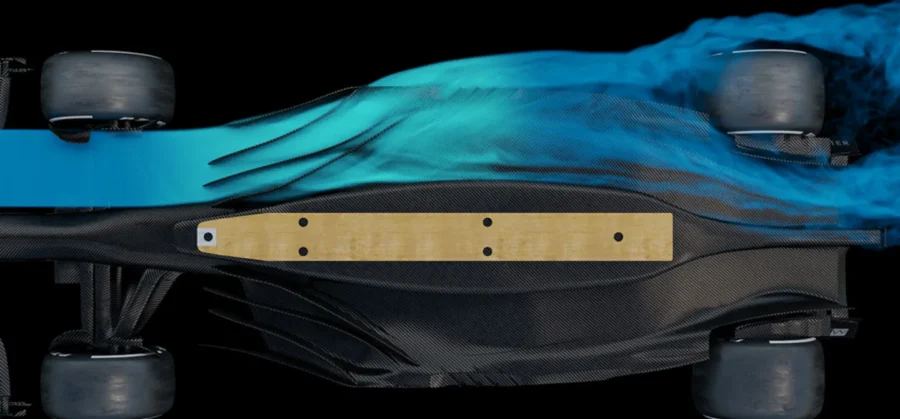
Ground effect aerodynamics, reintroduced in 2022, will continue to define car design in 2026. Venturi tunnels under the car’s floor generate downforce by accelerating airflow beneath the chassis, reducing reliance on complex upper-body wing elements.
However, 2026 regulations will introduce more active aerodynamic systems, allowing adjustable front and rear wings in certain race conditions. These systems aim to balance drag reduction and cornering grip, potentially reshaping overtaking strategies and reducing reliance on traditional DRS zones.
The objective is twofold: improve racing spectacle and enhance energy efficiency on straights.
Data, Simulation and Digital Engineering
Finally, data analytics and systems engineering in Formula 1 resemble aircraft flight testing and operations. Both rely on hundreds of sensors feeding real-time telemetry into remote engineering teams. Simulation environments, digital twins and predictive maintenance tools were refined in aerospace long before becoming competitive weapons in racing.
Modern F1 cars are essentially high-speed data centers. With more than 300 sensors embedded throughout the chassis and power unit, teams collect and analyze vast streams of real-time telemetry.
Advanced computational fluid dynamics (CFD), driver-in-the-loop simulators and digital twin technologies allow teams to test thousands of design iterations virtually before manufacturing a single component. In the 2026 era, tighter cost caps and aerodynamic testing restrictions will make simulation accuracy even more critical.
Materials, Safety and Structural Innovation
Materials science is another major crossover from aviation. The carbon-fiber monocoque that forms the survival cell of an F1 car draws directly from aerospace composite manufacturing. Techniques for layering carbon fiber, controlling resin curing and balancing strength-to-weight ratios were refined in aviation long before becoming standard in motorsport. Kevlar reinforcement, titanium alloys and advanced bonding methods also migrated from aircraft production lines to racing chassis.
Carbon fiber remains the foundation of F1 car construction, forming the ultra-strong monocoque that protects the driver. Kevlar reinforcements and advanced composites improve impact resistance while minimizing weight.
The Halo safety device, introduced in 2018, continues to evolve alongside cockpit structures to meet updated crash standards. As power units change, chassis packaging will also adapt, maintaining strict safety benchmarks without compromising aerodynamic efficiency.
Brake-by-Wire and Energy Management
Brake-by-wire (BBW) systems electronically manage the rear braking system, seamlessly blending traditional hydraulic braking with regenerative braking from the MGU-K. Instead of relying purely on mechanical balance between front and rear brakes, the system constantly adjusts braking force in real time to optimize both stopping power and energy recovery. This allows teams to harvest maximum kinetic energy under deceleration while maintaining stability and driver confidence under extreme loads.
Under the 2026 regulations, with a significantly higher proportion of total power coming from the electric side of the power unit, energy recovery through braking will become even more strategically critical. Drivers will need to manage battery state of charge carefully across a lap, balancing regeneration with deployment to avoid running out of electrical boost on key straights. Teams will refine brake maps and recovery profiles corner by corner, adapting to tire wear, track grip and race position.
On circuits with frequent heavy braking zones, such as Melbourne’s Albert Park, efficient energy harvesting could deliver a measurable competitive edge. The ability to recover more energy into slow corners and redeploy it effectively onto the following straights may influence overtaking opportunities, defensive tactics and overall race pace.
A Defining Moment for Formula 1
The 2026 Formula 1 season represents far more than a routine regulatory revision, it marks a decisive shift toward deeper electrification, sustainable fuels and tighter technological alignment with the broader mobility sector.
When the lights go out at the Australian Grand Prix, the sport will enter a new competitive era defined by higher electrical power output, smarter energy deployment, refined ground-effect aerodynamics and increasingly sophisticated data ecosystems. Success will depend not only on mechanical performance, but on software integration, simulation accuracy and system-level efficiency.
Ultimately, Formula 1 remains a high-speed innovation laboratory. Many of its core technologies trace their origins to aviation engineering, from aerodynamics and composites to thermal management and telemetry, and today the exchange is increasingly reciprocal. Breakthroughs in hybrid systems, lightweight materials and digital modeling are flowing between motorsport and aerospace, reinforcing F1’s role at the frontier of global engineering advancement.
Related: 2026 Formula 1 Season
- Racing Calendar: https://en.wikipedia.org/wiki/2026_Formula_One_World_Championship#Calendar
- Racing Teams: https://en.wikipedia.org/wiki/2026_Formula_One_World_Championship#Entries
- Results and Standings: https://en.wikipedia.org/wiki/2026_Formula_One_World_Championship#Results_and_standings
Sources: AirGuide Business airguide.info, bing.com, global.honda, racecar-engineering.com