
Frankfurt Airport Deploys AI-Powered Security Screening System

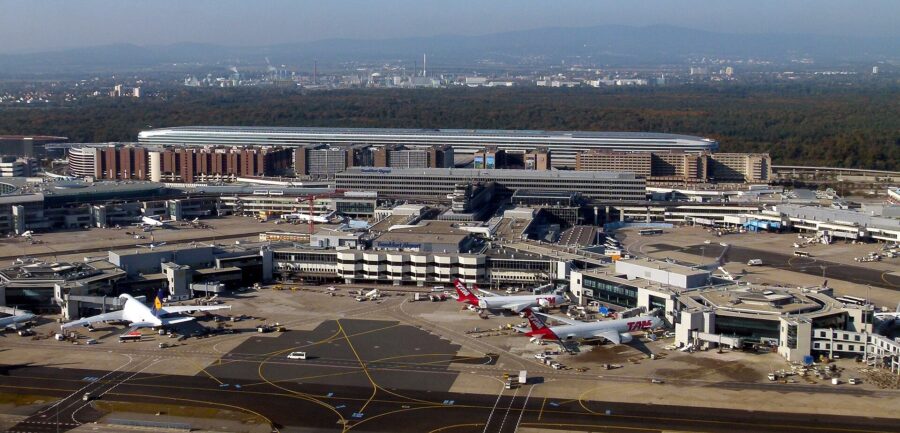
Frankfurt Airport has become the first airport in Europe to deploy an artificial intelligence–driven security screening system designed to automatically identify prohibited items in carry-on luggage. The rollout marks a significant step forward in aviation security and passenger processing, as airports across the continent look to balance higher traffic volumes with improved safety and efficiency.
The new system is operational at Frankfurt Airport and has been implemented in close cooperation with the German Federal Police. It is integrated with more than 50 computed tomography scanners supplied by Smiths Detection and is now active across all passenger terminals.
Unlike traditional X-ray screening, computed tomography technology creates detailed three-dimensional images of cabin baggage. The addition of artificial intelligence allows the system to analyze these images in real time, flagging potentially dangerous or prohibited items with greater accuracy. Security officers are supported by automated threat recognition, reducing reliance on manual image interpretation and minimizing the risk of human error.
Airport officials say the AI-supported screening process not only enhances security standards but also improves passenger flow through checkpoints. With fewer manual bag checks required, screening lanes can operate more smoothly, helping to reduce queues during peak travel periods. This is particularly important at Frankfurt, one of Europe’s busiest aviation hubs, where traffic volumes continue to recover and grow following recent disruptions to global travel.
The deployment reflects a broader shift toward data-driven security solutions in aviation. AI systems are able to learn and adapt over time, improving detection rates as they are exposed to a wider range of luggage contents and threat scenarios. Authorities note that this adaptability is critical in addressing evolving security risks while maintaining a consistent screening experience for passengers.
From an operational standpoint, the technology also supports workforce efficiency. By automating routine detection tasks, security staff can focus more closely on decision-making and secondary screening where needed. This approach is increasingly attractive as airports face staffing challenges and rising compliance requirements.
The partnership with the German Federal Police ensures that the system meets national and European regulatory standards. Officials emphasize that the technology is designed to support, not replace, trained security personnel, with final decisions remaining in human hands.
Frankfurt Airport’s move is being closely watched by other European airports considering similar upgrades. As regulatory approvals expand and costs decline, AI-powered security screening is expected to play a growing role in modern airport operations. The early adoption at Frankfurt positions the airport as a testing ground for next-generation security concepts that could shape passenger screening across Europe in the coming years.
Related News: https://airguide.info/category/air-travel-business/airline-finance/
Sources: AirGuide Business airguide.info, bing.com