
GE Aerospace Completes Hybrid-Electric Turbofan Ground Tests

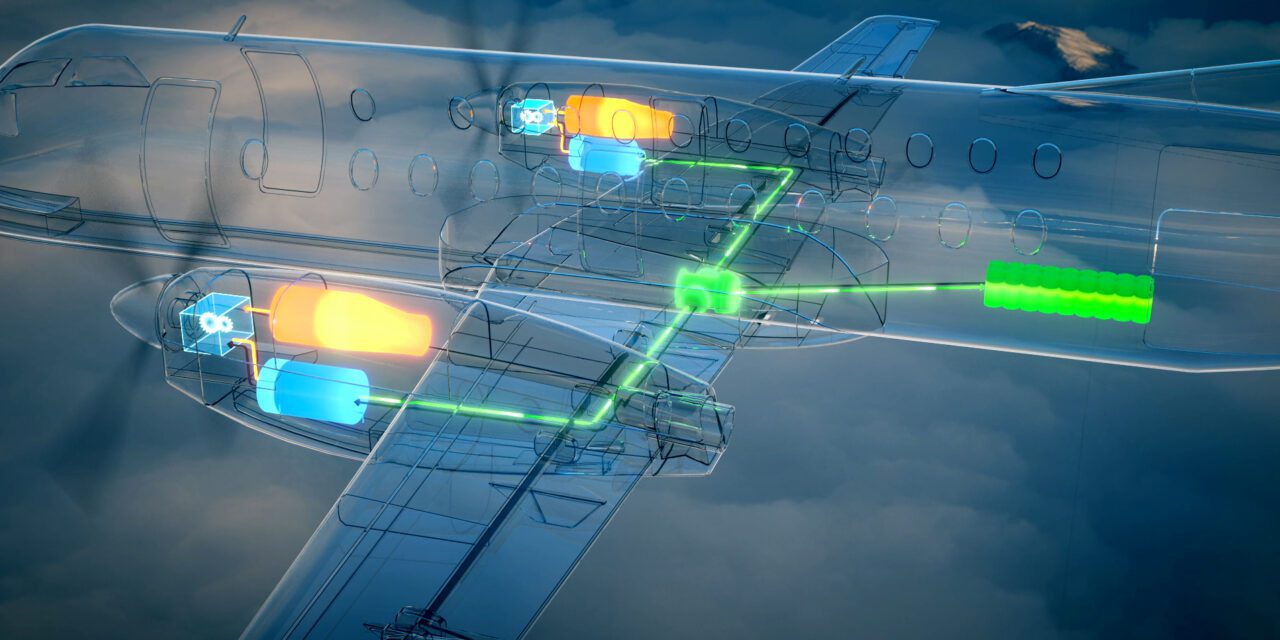
GE Aerospace has successfully completed a series of ground tests of its hybrid-electric turbofan propulsion system, marking an important milestone in the development of next-generation aircraft power technologies. The tests were carried out at the company’s Ohio facility and focused on validating the core operational functions of the turbine-based hybrid system.
The ground test campaign evaluated how the hybrid-electric architecture integrates conventional turbofan components with electric power elements. Engineers assessed power management, system responsiveness, thermal behavior, and the interaction between mechanical and electrical subsystems under controlled conditions. According to the company, the results confirmed that the system performs as expected across key operating parameters.
Hybrid-electric turbofan technology is viewed as a potential pathway to reducing fuel burn and emissions in future commercial aircraft, particularly on short- and medium-haul routes. By supplementing traditional jet engines with electric power, hybrid systems can improve efficiency during certain phases of flight, such as taxiing, climb, or cruise optimization, while maintaining the range and reliability of turbine propulsion.
GE Aerospace has positioned hybrid-electric propulsion as part of a broader portfolio of advanced technologies aimed at supporting aviation’s long-term sustainability goals. These efforts include improvements in engine efficiency, compatibility with sustainable aviation fuel, and the exploration of alternative propulsion architectures. The successful completion of ground testing provides critical data that will inform future design refinements and system scaling.
The Ohio test facility plays a central role in GE Aerospace’s research and development activities, allowing engineers to simulate real-world operating conditions while maintaining tight control over test variables. Ground testing is a necessary step before any hybrid-electric system can progress toward flight testing, certification pathways, or potential commercial applications.
While hybrid-electric propulsion is still in the early stages of development for large commercial aircraft, industry interest continues to grow. Aircraft manufacturers, engine makers, and regulators are increasingly focused on technologies that can deliver incremental emissions reductions in the near to medium term, ahead of more radical propulsion concepts.
GE Aerospace has not yet announced a timeline for flight testing of the hybrid-electric turbofan, but the company said the latest results represent a significant step forward. As development continues, the program is expected to contribute valuable insights into how hybrid-electric systems could be integrated into future aircraft designs, helping to shape the next phase of aviation propulsion innovation.
Related News: https://airguide.info/category/air-travel-business/aircraft-finance/
Sources: AirGuide Business airguide.info, bing.com