
GE Aerospace Deploys Robots to Accelerate Engine Repairs

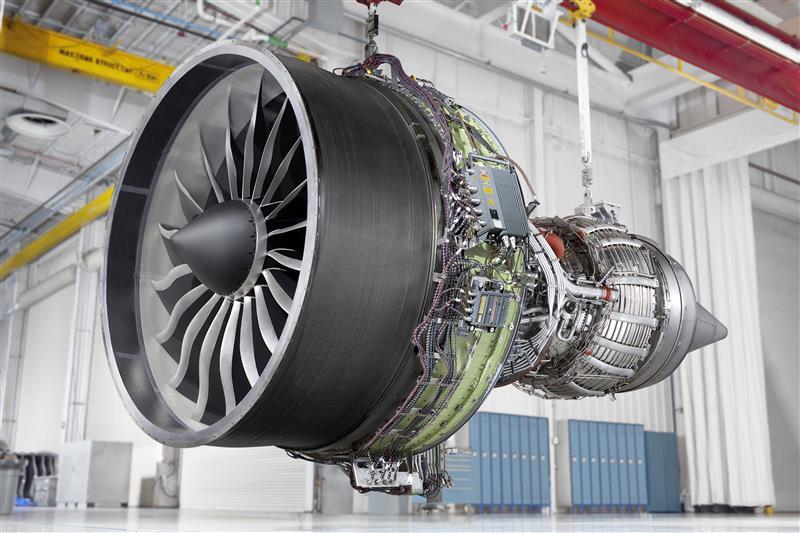
GE Aerospace is turning to robotics and lean manufacturing techniques at its Singapore repair hub to ease a global jet engine maintenance bottleneck driven by unexpected wear issues on newer-generation engines.
The company is seeking to increase repair volume at the facility by approximately 33 percent without expanding its physical footprint. By redesigning workflows and introducing automation, GE Aerospace believes it can significantly shorten turnaround times while reducing overall repair costs for airline customers.
The Singapore site plays a key role in servicing advanced commercial aircraft engines, many of which have experienced durability challenges amid high utilization rates and demanding operating conditions. Airlines worldwide have faced aircraft groundings and schedule disruptions as engines are removed for inspection and repair sooner than originally anticipated.
To address the strain, GE Aerospace has implemented lean production methods that streamline processes, eliminate inefficiencies and standardize repair steps. Robots are being deployed to perform repetitive and precision-based tasks, such as component handling and surface treatments, allowing technicians to focus on complex inspections and technical evaluations.
Company officials say the changes could cut repair turnaround times by as much as half in certain cases. Faster shop visits would help airlines return aircraft to service more quickly, improving fleet availability at a time when global demand for air travel remains strong and spare engine supply is tight.
The use of robotics also enhances consistency and safety, reducing the risk of human error in labor-intensive processes. By combining automation with data-driven process optimization, GE Aerospace aims to create a more resilient and scalable maintenance operation without the need for costly facility expansions.
Singapore has become a strategic maintenance hub for aerospace companies due to its skilled workforce, strong logistics infrastructure and proximity to major Asian carriers. GE Aerospace’s investment in advanced repair capabilities underscores the growing importance of maintenance, repair and overhaul operations in supporting next-generation engine fleets.
As airlines continue to manage capacity constraints and supply chain pressures, efforts to accelerate engine repairs could play a critical role in stabilizing global flight schedules and reducing operational disruptions across the industry.
Related News: https://airguide.info/category/air-travel-business/airline-finance/, https://airguide.info/category/air-travel-business/aircraft-finance/aircraft-supplier/
Sources: AirGuide Business airguide.info, bing.com