
Gulf Airlines at 52% Capacity as Recovery Gradually Builds

Airlines across the Gulf are operating at just over half of their pre-conflict capacity as recovery continues following widespread disruption triggered by the Iran war, with flight activity reaching approximately 52% of February 27 levels by early April, according to FlighAware data.
The sharp decline in operations began after the outbreak of hostilities on February 28, which led to extensive airspace closures across the Middle East by March 1. Key east–west aviation corridors were severely impacted, forcing airlines to cancel flights, reroute long-haul services, and reduce schedules across major hubs.
Among the region’s largest carriers, Emirates has recorded one of the strongest recoveries. The airline operated around 384 flights on April 4, compared to 531 flights on February 27, equivalent to roughly 72% of its pre-disruption capacity. At the peak of the disruption on March 1, Emirates operated just 24 flights, highlighting the scale of the initial impact.
Etihad Airways has also shown steady improvement, operating 212 flights on April 4 versus 334 flights before the conflict, representing a recovery of approximately 63%.
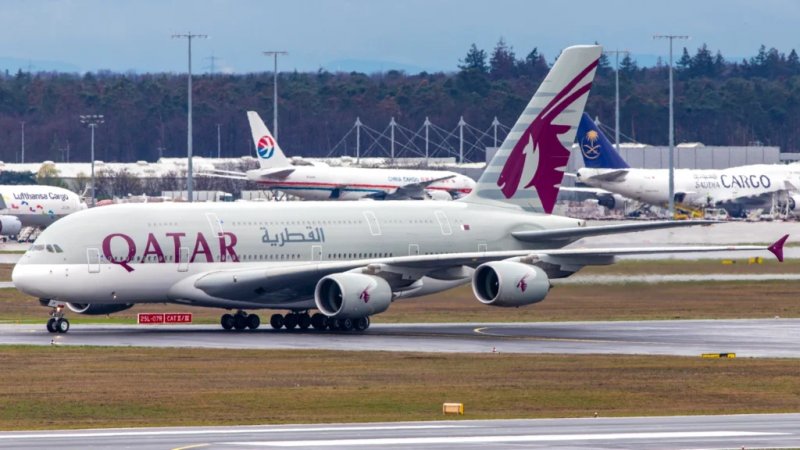
However, Qatar Airways remains more significantly affected, operating just 202 flights compared to 583 prior to the disruption—underscoring ongoing constraints linked to airspace restrictions and operational limitations.
Low-cost carriers are experiencing a more uneven recovery. Air Arabia recorded 148 flights on April 4, while flydubai operated 151 flights, with both airlines still running at under 50% of their pre-conflict capacity.
Flightradar24’s activity index tracks daily flight volumes against a pre-war baseline of 100, using aircraft transponder data collected via a global network of satellites and ground receivers. The latest figures indicate that while operations are rebounding, the region’s aviation sector remains far from full recovery.
The United Arab Emirates—home to major global hubs including Dubai, has been particularly affected, as ongoing missile and drone activity has disrupted airspace and increased operational risk. Authorities report intercepting more than 500 ballistic missiles and over 2,000 drones since the conflict began, underscoring the volatile security environment.
Airlines have responded by offering flexible booking policies to accommodate affected passengers. Emirates is allowing customers to rebook travel through mid-June or request full refunds, while Etihad, Air Arabia, and Qatar Airways have introduced similar waiver programs extending into mid-2026 and beyond.
Despite the gradual recovery, the outlook remains uncertain. Airlines continue to operate reduced schedules while monitoring security conditions, and a full return to pre-conflict capacity will depend on the stabilization of regional airspace and the reopening of key flight corridors.
Related News: https://airguide.info/?s=iran+war, https://airguide.info/category/air-travel-business/airline-finance/
Sources: AirGuide Business airguide.info, bing.com, msn.com, afp.com/en