
Iran War Forces 9,100 km Flights to Nowhere

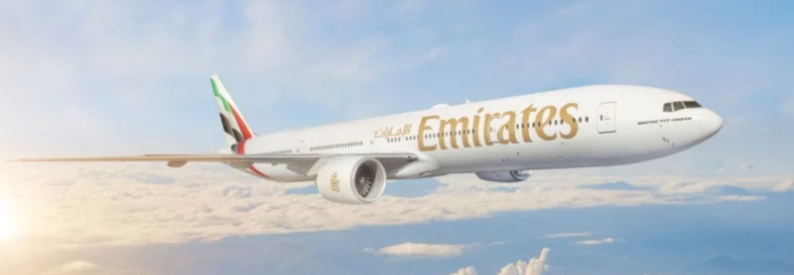
The escalating conflict involving Iran is triggering widespread disruption across global aviation, forcing airlines into costly and complex operational decisions. One striking example came this week when Emirates flight EK10 from London was forced to turn back mid-journey, resulting in a 9,100-kilometer round trip to its original departure point.
The flight had departed from London Gatwick and was cruising over Saudi Arabia when reports emerged of a drone strike near its intended destination, Dubai. With safety risks rapidly increasing, the aircraft was instructed to reverse course and return to London. Flight tracking data shows the aircraft completed a full journey without ever reaching its destination, highlighting the scale of disruption now affecting the region.
This incident is far from isolated. Airlines across Europe, Asia, and the Middle East are increasingly encountering similar scenarios, with flights diverted, delayed, or forced to return mid-air due to sudden airspace closures and security threats. These so-called “flights to nowhere” are becoming more frequent as conditions on the ground shift rapidly and unpredictably.
The operational and financial implications are significant. A long-haul flight such as EK10 consumes tens of thousands of dollars in fuel alone, not to mention crew costs, airport fees, and the logistical challenges of accommodating passengers upon return. Airlines must also manage cascading disruptions across their networks, as aircraft and crews fall out of position.
The situation reflects a broader shift in global aviation patterns. With key air corridors over parts of the Middle East becoming increasingly volatile, carriers are being forced to reroute flights, often adding hours to journey times and increasing fuel burn. In some cases, airlines are choosing to suspend services altogether rather than risk last-minute diversions.
Passengers are also bearing the brunt of the disruption. Travelers face extended delays, missed connections, and uncertainty as airlines struggle to adapt to rapidly changing conditions. For many, journeys that would normally be routine are now subject to sudden changes with little warning.
Aviation analysts note that such incidents underscore the fragility of global air travel networks during geopolitical crises. Unlike weather disruptions, which can often be forecast, conflict-related risks can emerge suddenly, leaving airlines with limited options once a flight is already airborne.
As tensions in the region persist, airlines are likely to adopt more conservative planning strategies, including avoiding high-risk airspace altogether. However, as the EK10 incident demonstrates, even these precautions may not fully eliminate the possibility of costly and disruptive “phantom flights” that ultimately go nowhere.
Related News: https://airguide.info/?s=emirates, https://airguide.info/?s=iran
Sources: AirGuide Business airguide.info, bing.com