
Jet Fuel Prices Surge 80%, Airlines Warn of Fare Hikes

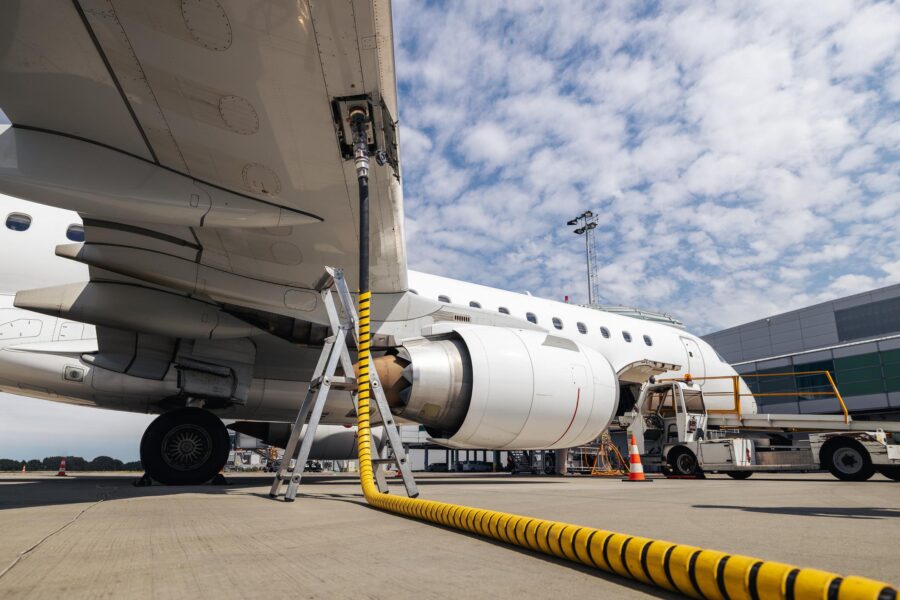
A sharp surge in global jet fuel prices following conflict in the Middle East could drive up air fares ahead of the peak summer travel season and potentially trigger flight disruptions, industry analysts have warned.
Aviation kerosene prices in north-west Europe have jumped from around $830 per tonne before the recent US and Israeli air strikes on Iran to more than $1,500 per tonne — an increase of over 80%. The spike marks the highest levels seen since 2022, when energy markets were shaken by Russia’s invasion of Ukraine.
The Middle East plays a critical role in global jet fuel supply. The Gulf region accounts for roughly half of Europe’s aviation fuel imports, much of it shipped through the Strait of Hormuz. Ongoing instability and supply constraints in the region have tightened availability, pushing prices sharply higher.
Low-cost carrier Wizz Air has already warned that higher fuel costs could reduce its annual profit by around €50 million. Fuel typically accounts for 20% to 40% of an airline’s operating expenses, making it one of the most significant cost drivers in commercial aviation.
Many European carriers hedge fuel purchases using financial derivatives to lock in prices months or years in advance. Airlines such as British Airways, Virgin Atlantic, EasyJet and Ryanair are known to maintain fuel hedging programs, offering some protection against short-term volatility. However, several large US carriers historically hedge less aggressively, leaving them more exposed to immediate price fluctuations.
Ratings agency Fitch Ratings said airlines are likely to feel the impact, though many EMEA carriers have hedge coverage ranging from 50% to more than 80% for the next three months.
Analysts warn that even hedged airlines could face physical supply shortages if Gulf crude exports remain constrained. Reduced refinery output in Asia, which also relies on Middle Eastern crude, could tighten global supply chains further.
Industry experts caution that if elevated fuel prices persist, airlines may pass costs on to passengers through higher ticket prices. However, travelers who have already purchased tickets should not face retroactive fuel surcharges, as fares agreed at booking are generally final.
With the summer travel season approaching, sustained volatility in jet fuel markets could test airline profitability, strain supply networks and put upward pressure on air fares worldwide.
Related News: https://airguide.info/category/air-travel-business/airline-finance/