
Korean Air Invests in Pablo Air to Advance UAV and AI Capabilities

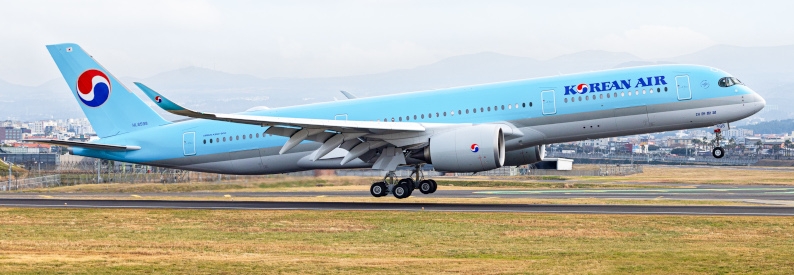
Korean Air has made a strategic equity investment in domestic drone specialist Pablo Air, marking a further step in the airline’s expansion into advanced aerospace and defence technologies. While Korean Air did not disclose the financial terms in its official announcement, local media outlet Chosun Biz reported that the investment is valued at around KRW5 billion ($3.5 million).
The agreement, finalised on January 23, is designed to strengthen Korean Air’s defence and aerospace division by integrating Pablo Air’s swarm-based artificial intelligence and autonomous flight control technologies into the airline group’s medium- to large-sized unmanned aerial vehicles. Swarm AI enables multiple UAVs to operate cooperatively, sharing data and making coordinated decisions in real time, a capability increasingly seen as critical for next-generation defence, surveillance, and logistics applications.
Under the partnership, the two companies plan to collaborate closely on joint research and development programmes, with a focus on creating new business models across the broader aerospace sector. This includes exploring applications beyond traditional defence roles, such as disaster response, infrastructure inspection, smart logistics, and other high-value commercial use cases where autonomous and coordinated UAV operations can deliver efficiency gains.
For Korean Air, the investment aligns with its long-term strategy to diversify revenue streams beyond passenger and cargo transport. The airline has steadily built up its aerospace and defence capabilities over several decades, including aircraft maintenance, modification, and manufacturing activities, as well as participation in major military aviation programmes. By partnering with a specialist in AI-driven drone technology, Korean Air aims to accelerate innovation and shorten development timelines for advanced unmanned platforms.
Pablo Air, for its part, gains access to Korean Air’s extensive aerospace engineering expertise, global industry relationships, and potential pathways to scale its technologies for larger and more complex UAV systems. The collaboration is expected to enhance Pablo Air’s position in both domestic and international markets, particularly as demand grows for intelligent, autonomous aerial systems.
The deal also reflects a broader trend within the global aviation industry, where established airlines and aerospace groups are increasingly investing in unmanned systems, artificial intelligence, and advanced mobility technologies. As defence and commercial customers seek more autonomous, flexible, and data-driven solutions, partnerships such as this one position Korean Air to play a larger role in the evolving UAV and aerospace innovation ecosystem.
Related News: https://airguide.info/category/air-travel-business/airline-finance/
Sources: AirGuide Business airguide.info, bing.com, ch-aviation.com