
Malaysia Airlines targets 116 jets by 2035

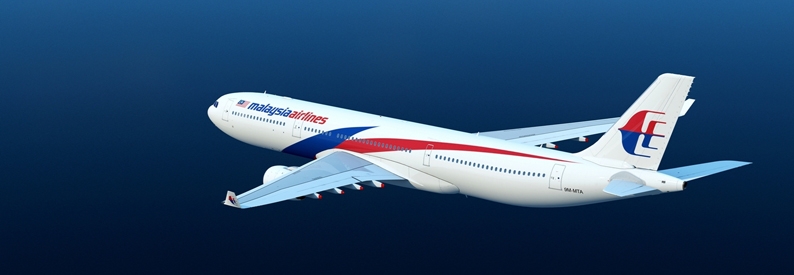
Malaysia Aviation Group (MAG) has unveiled a new long-term business strategy that sets out ambitious growth targets for Malaysia Airlines over the next decade. Under the plan, known as LTBP3.0, the group aims to expand its mainline fleet to 116 aircraft by 2035, an increase of 25 aircraft from current levels, while more than doubling annual revenue to above MYR24 billion (USD5.9 billion).
Fleet renewal and disciplined capacity growth sit at the core of the new strategy. MAG expects total capacity to expand by more than 50% by 2035, representing an average annual growth rate of about 8.5%. To support this expansion, the group has confirmed significant fleet investments, including orders for 40 Airbus A330-900neo widebodies, 43 Boeing 737-8s, and 12 Boeing 737-10s. These aircraft are intended to modernize the fleet, improve fuel efficiency, and support network growth across short-, medium-, and long-haul markets.
Outgoing MAG managing director Izham Ismail said LTBP3.0 marks a clear evolution in the group’s strategy. “LTBP3.0 marks a shift from stabilisation to scaled and disciplined growth,” he said. “It sharpens our premium position and deepens the value we create across our broader aviation ecosystem.”
Beyond passenger flying, the plan places greater emphasis on growing aviation services and other non-airline revenue streams. MAG is targeting more than 60% growth in third-party revenue across its aviation services businesses by 2035. Currently, non-air revenue accounts for around 18% of the group’s total turnover.
To support this objective, MAG has already made operational adjustments. These include realigning Firefly’s jet operations to Kuala Lumpur International Airport’s Terminal 1 and leasing a hangar at Kuala Lumpur Subang to expand maintenance, repair, and overhaul capabilities. The group sees MRO and related services as key pillars of its future earnings mix.
According to a statement released on December 15, the new business plan builds on the financial turnaround achieved under the previous LTBP2.0 strategy. That restructuring reduced group liabilities by more than MYR15 billion (USD3.7 billion) and eliminated MYR10 billion (USD2.4 billion) in legacy debt. MAG has since reported three consecutive years of operating profit and two consecutive years of positive net income.
Looking ahead, MAG also aims to position Malaysia Airlines among the world’s top ten global airlines by 2030. Separately, the group is expected to issue a request for proposals for new-generation widebody aircraft to replace parts of its long-haul fleet, with potential deliveries from around 2031.
Fleet data shows Malaysia Airlines currently operates a mixed Airbus and Boeing fleet, complemented by additional aircraft operated by Firefly, providing a foundation for the group’s long-term expansion plans.
Related News: https://airguide.info/category/air-travel-business/airline-finance/
Sources: AirGuide Business airguide.info, bing.com, malaysiaaviationgroup.com.my, ch-aviation.com