
Middle East Air Travel Chaos as Iran Attacks Spark Widespread Disruptions

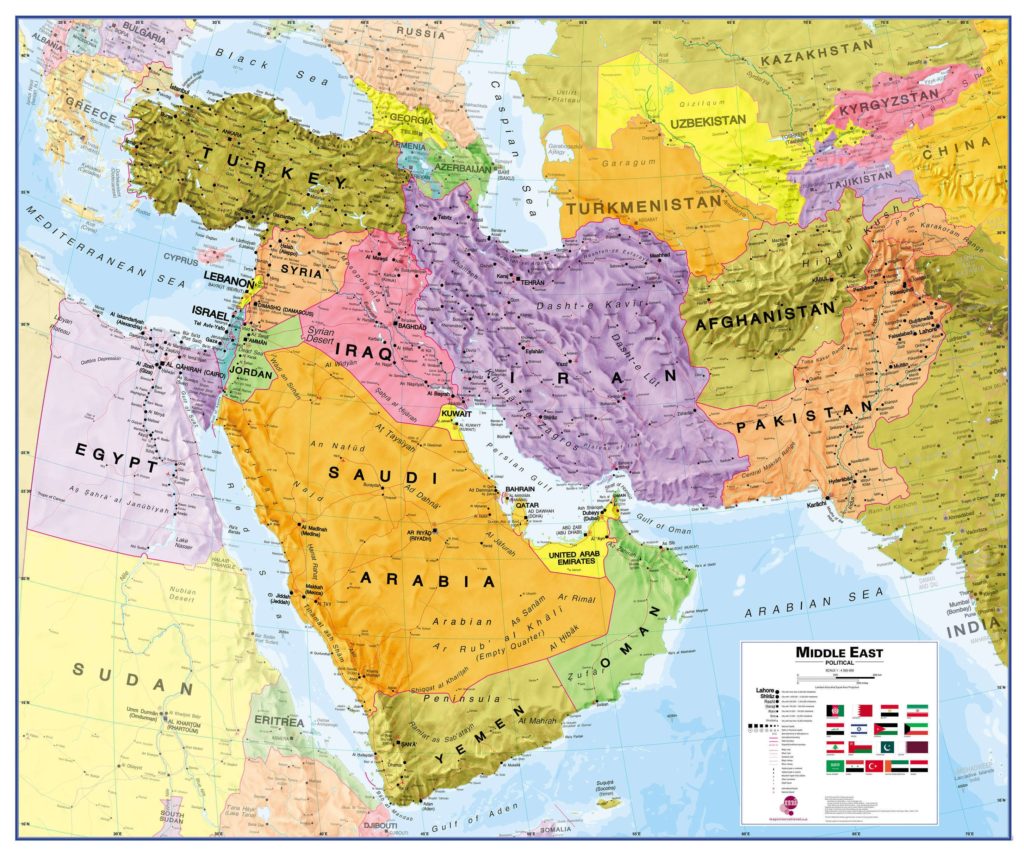
A major escalation in the conflict between the United States, Israel and Iran has triggered unprecedented airspace closures and travel disruptions across the Middle East and beyond, stranding tens of thousands of passengers and forcing airlines to cancel or reroute flights.
Live Tracker: Airport and Flight Delays – Middle East Air Travel Chaos as Iran Attacks
After U.S. and Israeli military strikes on Iran, several countries responded by shutting their airspace, including Iran, Israel, Qatar, Kuwait, Bahrain, Iraq, Syria and the United Arab Emirates. Key aviation hubs such as Dubai International Airport, Abu Dhabi’s Zayed International Airport and Doha’s Hamad International Airport were closed or operated under severe restrictions, leaving major carriers grounded and skies above the region nearly empty., reported The Jerusalem Post and APnews.com.
The closures have had ripple effects on global flight networks because Gulf states serve as vital transit points linking Europe, Asia, Africa and the Americas. According to flight-tracking data, more than 3,400 flights were canceled over recent days, with hundreds more delayed or diverted to alternate airports as carriers avoid the conflict zone.
Airlines from Europe, Africa and Asia — including Emirates, Qatar Airways, Etihad, Turkish Airlines, Air India, Delta, United, Lufthansa, British Airways and more — have suspended services to destinations in the affected region. Some long-haul flights are being rerouted around the Middle East, adding hours to itineraries and increasing fuel costs and operational strain. Travelers have experienced crowded terminals and long lines as they wait for rebooking and reroutes. Photos from major airports show passengers sitting amid flight information screens showing cancellations and delays, while many hubs that are normally packed remain eerily quiet.
The disruptions come at a time when airlines were still recovering from earlier airspace restrictions and conflict-related closures in the region. Aviation analysts warn that these impacts could persist for days or even longer if military tensions remain high, making planning and ticketing unpredictable for international travelers. Passengers are being advised to check with their airlines for the latest flight status updates and to expect ongoing delays as carriers and authorities respond to the evolving crisis.
Related News: Live Tracker: Airport and Flight Delays – Middle East Air Travel Chaos as Iran Attacks
Sources: AirGuide Business airguide.info, bing.com, jpost.com, apnews.com