
Middle East Travel Warning: Refund and Rebooking Options

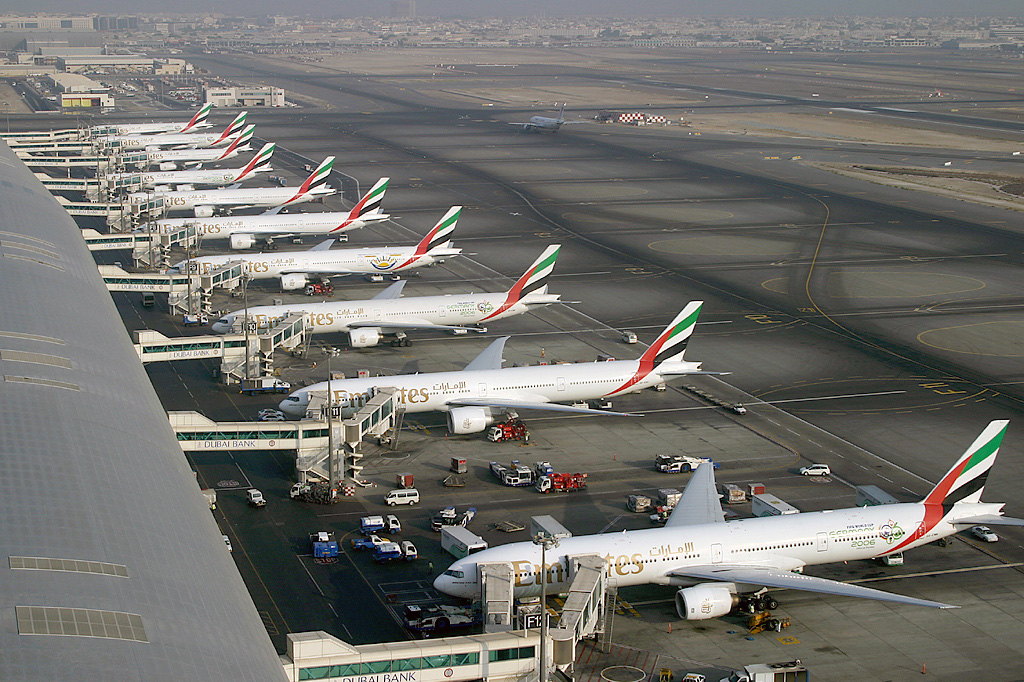
Travelers planning trips to the Middle East are facing growing uncertainty as the conflict involving Iran continues to disrupt aviation routes and regional airspace. With airlines suspending services and governments issuing travel advisories, many passengers are now asking whether they should cancel their trips and what options exist for refunds or rebooking.
The conflict has already triggered widespread flight cancellations and airspace closures across parts of the Gulf and surrounding regions, affecting major hubs such as Dubai, Doha, and Abu Dhabi. These disruptions have forced airlines worldwide to suspend or reroute flights while monitoring security risks and aviation advisories.
Travel experts say the first step for passengers is to avoid canceling flights prematurely. If travelers cancel voluntarily while their flight is still scheduled to operate, they may lose eligibility for refunds depending on their ticket conditions. Instead, experts advise waiting until an airline officially cancels or changes the flight, which typically activates rebooking or refund protections.
When airlines cancel flights due to conflict or airspace closures, passengers are generally entitled to either a full refund or an alternative flight at no additional cost. Airlines often allow travelers to rebook for a later date, sometimes without change fees, or to receive travel vouchers or refunds depending on the airline’s policy.
However, compensation rules are more limited. Under regulations such as EU passenger rights laws, events like war or geopolitical conflict are considered “extraordinary circumstances,” meaning airlines usually are not required to pay additional compensation beyond offering a refund or rerouting.
Hotels and package tours may follow different rules. Travelers who booked complete holiday packages through tour operators often have stronger consumer protections and may be able to cancel or change plans if the destination becomes unsafe or if travel advisories escalate.
Travel insurance is another important factor, but coverage may be limited. Most standard policies exclude disruptions caused directly by war or military conflict. Insurance typically still covers medical emergencies or unrelated incidents, but trip cancellation claims linked to geopolitical events are often denied unless travelers purchased specialized “Cancel for Any Reason” coverage.
Because conditions in the region are evolving rapidly, airlines may also adjust routes at short notice to avoid restricted airspace. This can lead to longer flight times, schedule changes, or last-minute cancellations even if airports remain open.
For travelers with upcoming trips, the best approach is to monitor airline updates closely, review booking terms, and check official government travel advisories before making any changes. Flexibility and careful timing can help travelers protect both their safety and their travel budgets as the situation continues to develop.
related news: https://airguide.info/category/air-travel-business/travel-health-security/, https://airguide.info/category/air-travel-business/travel-business/