
Wall Street Analysts: Only Three U.S. Airlines Profitable as Oil Prices Surge

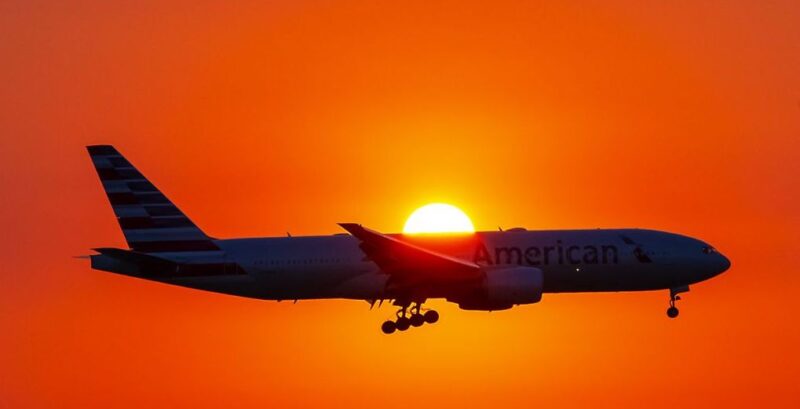
Wall Street analysts warn that surging oil prices triggered by the escalating conflict with Iran could severely squeeze airline earnings, leaving only a handful of U.S. carriers capable of remaining profitable under current fuel cost conditions. Crude oil prices jumped more than 9 percent as geopolitical tensions rattled energy markets and heightened concerns about possible disruptions around the Strait of Hormuz, one of the world’s most critical oil transit routes.
The sharp rise in fuel costs poses a major challenge for airlines, which depend heavily on stable energy prices to maintain profitability. Many U.S. carriers have reduced or abandoned fuel hedging programs in recent years, leaving them more exposed to sudden spikes in jet fuel costs.
Fuel typically represents roughly 15 percent or more of an airline’s total operating expenses, making it one of the largest cost drivers in the industry. To manage volatility, airlines sometimes hedge fuel purchases using financial instruments such as futures contracts, swaps, or options. These strategies allow carriers to lock in fuel prices in advance and protect themselves from sudden market surges.
According to UBS analyst Atul Maheswari, only three U.S. airlines are positioned to generate even modest profits if fuel prices remain at or above $4 per gallon: Delta Air Lines, United Airlines, and Southwest Airlines. Maheswari noted that while these carriers may remain in the black under current conditions, most other major U.S. airlines could face significant losses if elevated fuel prices persist.
Delta and United are considered more resilient to fuel shocks largely because of their stronger operating margins and premium-heavy revenue mix. Both airlines benefit from continued demand for premium cabins and corporate travel, which allows them to maintain higher yields even as operating costs rise. These carriers also have greater flexibility to pass higher fuel costs on to passengers through ticket price increases or fuel surcharges.
Delta also owns the Monroe Energy refinery in Pennsylvania, which provides a partial hedge against fluctuations in the difference between crude oil prices and refined jet fuel prices, known as the crack spread.
Southwest Airlines, the largest low-cost carrier in the United States, also maintains some protection due to its historically aggressive fuel hedging strategy. Although the airline reportedly reduced hedging activity in 2025 when oil prices were lower, Southwest has long relied on hedging to stabilize fuel expenses.
Operational efficiency also helps Southwest manage fuel costs. The airline operates an all-Boeing 737 fleet, reducing maintenance and training expenses, and its newer 737 MAX aircraft are about 16 percent more fuel efficient than earlier models.
Airlines outside the United States often hedge fuel more aggressively. Carriers such as Air France-KLM and Ryanair have hedged a large portion of their expected fuel consumption, while Singapore Airlines and Cathay Pacific also maintain strong hedging coverage. However, even these airlines face rising costs as the spread between crude oil and refined jet fuel prices widens.
Airline stocks have already reacted to the pressures. Over the past month, United Airlines shares have fallen nearly 21 percent, Delta has declined around 17 percent, and American Airlines has dropped more than 25 percent as investors anticipate margin pressure from higher fuel costs and broader industry disruptions.
Related News: https://airguide.info/category/air-travel-business/airline-finance/
Sources: AirGuide Business airguide.info, bing.com, yahoo.com