
Backpack Travelers and Overhead Bin Etiquette: When Using the Space Is Actually Fair

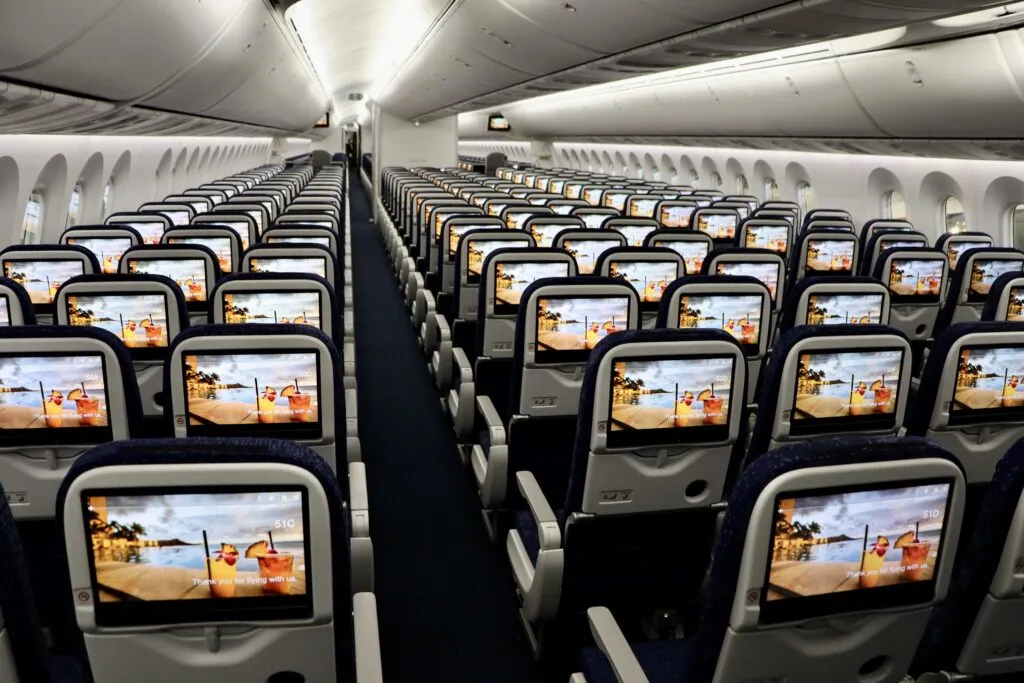
For many frequent flyers and backpack travelers, traveling light is a point of pride. If you’re flying with just a backpack, it’s natural to assume the overhead bin is fair game—you paid for a seat, after all. But when it comes to overhead bin etiquette, airline experts say the issue isn’t about rules so much as shared responsibility.
In today’s crowded cabins, knowing when it’s reasonable for backpack travelers to use overhead bin space—and when it’s better to keep bags under the seat—can make a noticeable difference in boarding speed, passenger mood, and overall cabin harmony.
Why Overhead Bin Space Is Such a Hot Topic
The root of the debate is simple: overhead bin space is limited. On full or nearly full flights, bins are primarily designed for roller bags that physically cannot fit under seats. When smaller items like backpacks, purses, or jackets take up that space, passengers boarding later may be forced to gate-check their carry-ons.
That situation slows boarding, frustrates travelers, and often puts cabin crews in the awkward position of redistributing bags mid-process. While no airline policy explicitly bans backpacks from overhead bins, airline boarding etiquette is increasingly about context rather than entitlement.
When Backpack Travelers Are Justified Using the Overhead Bin
Not all backpacks are created equal. Many modern travel backpacks are structured, packed tightly, and loaded with essentials like laptops, camera gear, or medical equipment. If your backpack is bulky, rigid, or clearly won’t fit comfortably under the seat in front of you, using the overhead bin is generally considered reasonable.
Airline operations specialists note that in these cases, backpack travelers are effectively using the space as intended. From a carry-on baggage rules perspective, size and safety matter more than whether the bag has wheels.
Additionally, passengers seated in bulkhead or exit rows are often required to stow all personal items overhead because under-seat storage is unavailable. Giving these travelers priority access to overhead bins helps prevent last-minute reshuffling and boarding delays.
When Using the Overhead Bin Isn’t Ideal
If your backpack easily slides under the seat, etiquette experts suggest keeping it there—at least initially—especially on busy flights. This approach preserves overhead bin space for passengers with roller bags and keeps the aisle moving smoothly.
Timing matters more than many travelers realize. Early in boarding, overhead bins may look wide open, creating the illusion of unlimited space. But airline insiders point out that this is precisely when restraint is most helpful. As boarding continues, bins fill rapidly, and what seemed plentiful can disappear in minutes.
Choosing to place a small backpack under your seat early on can prevent unnecessary tension later in the boarding process.
How Cabin Crews View Backpack Use
Flight attendants have significant discretion when managing overhead bin space. If bins begin filling up, crews may ask passengers to move smaller bags under seats to make room for larger carry-ons. When this happens, experts recommend complying quickly rather than debating the request.
These decisions are almost always about efficiency, not enforcement. Arguing over overhead bin etiquette rarely ends well and can escalate a minor issue into a delay affecting the entire cabin.
The Legroom Trade-Off
One reason backpack travelers use overhead bins is comfort. Stowing a bag overhead frees up legroom and makes longer flights more pleasant. That trade-off is understandable—but it comes with social implications.
Frequent flyers note that while using overhead bin space with a backpack isn’t technically wrong, it can feel inconsiderate if others are struggling to find room. Small gestures, like waiting to see if space remains after most passengers board, can significantly improve the shared travel experience.
A Simple Rule of Thumb
Airline etiquette experts often suggest a straightforward guideline:
If the flight is light and overhead bin space is abundant, using the bin for a backpack is generally fine. If the flight is full or close to it, keeping smaller items under your seat is better manners.
In an era of packed flights and tight turnaround times, courtesy has become just as important as luggage size. Understanding overhead bin etiquette helps backpack travelers balance personal comfort with collective efficiency.
By making thoughtful choices about where to stow your bag, you’re not just following unspoken rules—you’re helping make the journey smoother for everyone on board.
Want smarter travel insights delivered straight to your inbox? Subscribe to our newsletter for airline tips, travel trends, and industry news that helps you fly better every time.
Subscribe to our newsletter!
Related News: https://airguide.info/category/air-travel-business/airline-finance/
Sources: AirGuide Business airguide.info, bing.com