
Passenger Death Lawsuit Targets Airline Crew Medical Response

A federal lawsuit is raising serious questions about international in-flight medical protocols following the death of a 33-year-old passenger aboard a Korean Air flight from Washington Dulles International Airport (IAD) to Incheon International Airport (ICN). The complaint alleges gross negligence by cabin crew, claiming that critical life-saving procedures were not properly followed during the emergency.
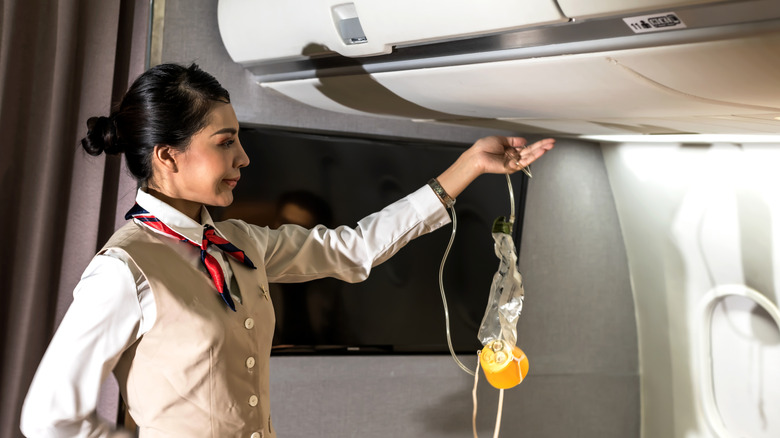
According to the filing, the passenger collapsed mid-flight with severe breathing distress and later lost consciousness after being given an oxygen mask that was allegedly not connected to a functioning oxygen supply, raising concerns about crew response, training, and adherence to established medical protocols on long-haul flights.
Allegations of Equipment Failure and Crew Negligence
According to legal filings, the passenger experienced severe respiratory distress mid-flight. The lawsuit claims that when cabin crew intervened, they provided an oxygen mask that was not connected to an active supply.
As the situation escalated into a cardiac event, the complaint further alleges:
- Command Failure: Despite several passengers stepping in to assist, the crew allegedly failed to take charge of the scene or provide clear emergency instructions.
- AED Non-Usage: A Defibrillator (AED) was brought to the passenger, but the lawsuit claims no shock was administered—even after the device reportedly advised that a shock was necessary.
- Delayed Intervention: Legal representatives argue that the failure to deliver oxygen and the improper use of onboard medical equipment directly contributed to the passenger’s death.
The flight was eventually diverted to Osaka, Japan, where the passenger was pronounced dead upon landing. Medical records cited in the case list the official cause of death as acute cardiac failure.
In-Flight Medical Emergency Statistics
Aviation safety experts note that while in-flight medical emergencies are statistically rare, occurring in roughly 18 to 39 cases per million passengers, the survival rate for serious events such as cardiac arrest is significantly lower at cruising altitude. Unlike on the ground, where emergency responders can arrive within minutes with advanced equipment, aircraft are limited to onboard medical kits, supplemental oxygen, and automated external defibrillators (AEDs).
Even with trained cabin crew and occasional assistance from medical professionals among passengers, delays in diagnosis, limited space, and the inability to provide advanced life support can critically impact outcomes. In many cases, the effectiveness of the response depends on rapid recognition of symptoms, proper use of onboard equipment, and the decision to divert the aircraft—factors that can mean the difference between survival and fatality.
Related News: https://airguide.info/?s=korean+air, https://airguide.info/category/air-travel-business/travel-health-security/
Sources: AirGuide Business airguide.info, bing.com,