
Pilot Declares Mayday After SpaceX Rocket Explosion Endangers Flights

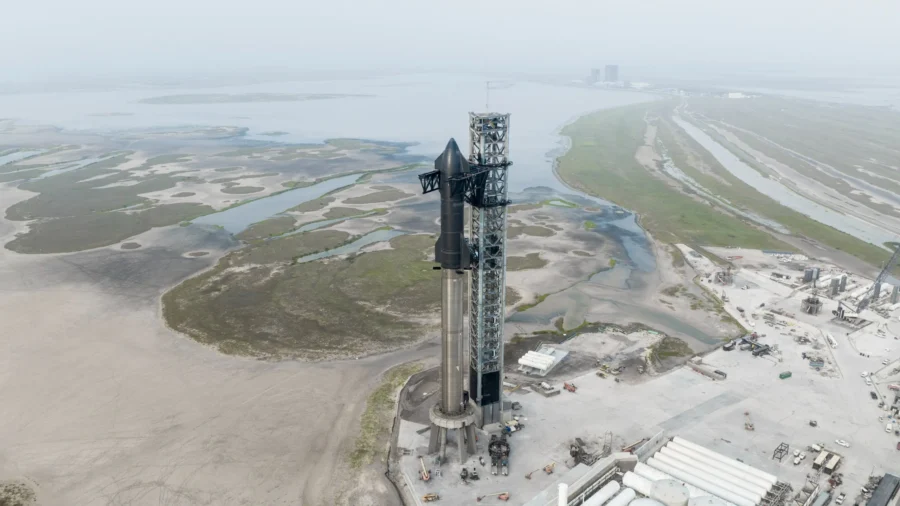
A pilot declared “Mayday” after a SpaceX rocket explosion forced multiple passenger aircraft to fly through falling debris over the Caribbean, exposing a far greater aviation safety risk than was publicly known at the time.
The incident occurred in mid-January when an experimental Starship rocket operated by SpaceX, founded by Elon Musk, disintegrated minutes after liftoff. The explosion scattered fiery debris across a wide area of Caribbean airspace, disrupting commercial and private flights for nearly an hour.
According to documents from the Federal Aviation Administration reviewed by the Wall Street Journal, pilots of three aircraft carrying about 450 people were forced to make a critical decision: fly through a meteor-like field of debris or risk running dangerously low on fuel over open water. One pilot ultimately declared a fuel emergency and issued a “Mayday” call in order to land safely.
The debris shower lasted roughly 50 minutes, with fiery trails visible from aircraft cockpits and passenger cabins. FAA officials warned that a direct strike from rocket debris could have caused severe aircraft damage and potential loss of life. Despite the danger, all affected flights landed safely.
One of the aircraft involved was a JetBlue Airways flight bound for Puerto Rico on January 16, 2025. During the incident, an air traffic controller warned the crew that continuing toward San Juan would be “at your own risk.” An Iberia Airlines flight and a private jet were also involved, with pilots declaring fuel emergencies as they entered the temporary no-fly zone.
Air traffic controllers faced intense pressure as they worked to divert aircraft away from debris while maintaining safe separation. FAA reports described a “potential extreme safety risk,” including at least one instance in which two aircraft came dangerously close, requiring urgent controller intervention to avoid a midair collision.
The FAA also noted that SpaceX failed to immediately notify aviation authorities through an emergency hotline after the explosion. Instead, controllers in Miami reportedly learned of the incident first from pilots who were already observing debris in the sky.
The uncrewed Starship flight was the company’s seventh test of the vehicle, which SpaceX says is central to Musk’s long-term goal of enabling human life on Mars. After the explosion, Musk commented on social media that “success is uncertain, but entertainment is guaranteed.”
The event has heightened concern among airline and government officials as space launches increase in frequency. The FAA projects an average of 200 to 400 rocket launches or re-entries annually in coming years, compared with just 24 per year on average between 1989 and 2024. Following the January incident, the agency convened a safety review panel to assess debris risks from failed spaceflights, though that review was later suspended after officials said most recommendations were already being addressed.
Since the explosion, SpaceX has conducted four additional Starship launches, with mixed results, and plans to introduce an even more powerful version next year—acknowledging that further technical challenges are likely as development continues.
Related News: https://airguide.info/?s=spacex, https://airguide.info/category/air-travel-business/travel-health-security/
Sources: AirGuide Business airguide.info, bing.com, reuters.com, yahoo.com