
Runway Close Calls Raise Safety Concerns After LaGuardia Crash

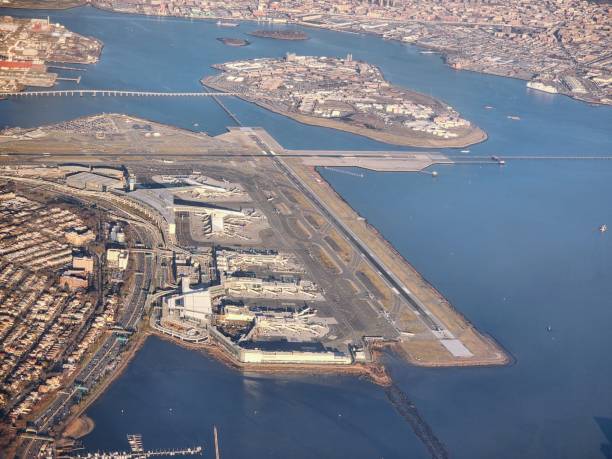
The deadly crash at New York’s LaGuardia Airport has reignited concerns about runway safety in the United States, as aviation experts warn that persistent risks, particularly runway incursions, have not been addressed with sufficient urgency. While investigators continue to piece together the sequence of events, early indications point to a breakdown in ground-movement awareness, a vulnerability highlighted by dozens of serious close calls across the U.S. aviation system over the past year.
A series of previously unreported runway close calls at major U.S. airports in the months leading up to the crash is now raising fresh concerns about ground safety, air traffic control procedures, and the effectiveness of current technologies designed to prevent collisions.
Related: LaGuardia Crash Exposes Air Traffic Safety Failures, 34 California Airports Flagged for Runway Collision Risk
Federal Aviation Administration (FAA) officials have long maintained a goal of zero serious runway incursions, but the LaGuardia accident has intensified scrutiny of how aircraft and ground vehicles are monitored during taxi, takeoff, and landing operations—especially at high-traffic airports with complex layouts.
In response to rising risks, the Federal Aviation Administration has been accelerating the rollout of advanced surface surveillance systems designed to give controllers a real-time view of aircraft and ground vehicle movements. These systems can automatically alert controllers when a runway is occupied or unsafe, reducing reliance on visual observation and radio communication alone. However, uneven deployment across airports continues to leave critical gaps in safety coverage.
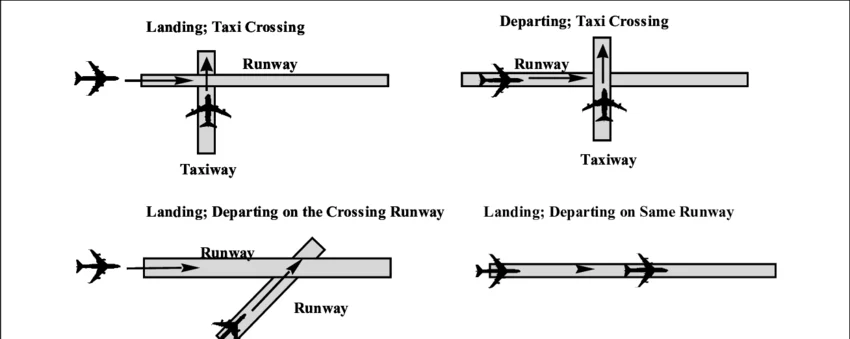
However, these technologies are not yet deployed at all airports. At facilities without full surface tracking coverage, controllers must rely heavily on line-of-sight monitoring, voice instructions, and procedural separation—methods that become significantly more challenging in low visibility conditions, during nighttime operations, or when traffic levels are high.
Aviation safety experts say this technology gap leaves room for error. The absence of universal ground-tracking systems limits situational awareness, particularly when multiple aircraft and vehicles are operating in close proximity. Ground vehicles present an additional challenge, as many are not equipped with transponders that allow them to be tracked electronically by air traffic systems.
Experts argue that requiring all airfield vehicles, not just aircraft, to carry compatible transponders could significantly reduce the risk of runway incursions by ensuring controllers can monitor every moving object on the airport surface in real time.
The LaGuardia crash has renewed calls across the industry for faster deployment of surface-tracking technology, mandatory tracking systems for ground vehicles, increased air traffic controller staffing, and a nationwide review of runway-incursion hotspots.
While the U.S. aviation system remains among the safest globally, the growing number of close calls suggests that existing procedures may no longer be sufficient on their own. As air travel demand continues to rise, experts warn that closing technology gaps and strengthening operational safeguards will be critical to preventing future incidents.
Related News: https://airguide.info/?s=FAA, https://airguide.info/category/air-travel-business/travel-health-security/, Two Pilots Dead After CRJ-900 Runway Incident at LaGuardia, LaGuardia Crash Exposes Air Traffic Safety Failures, 34 California Airports Flagged for Runway Collision Risk
Sources: AirGuide Business airguide.info, bing.com