
Ryanair Sees Lower Fuel Risk, Plans Fare Pressure

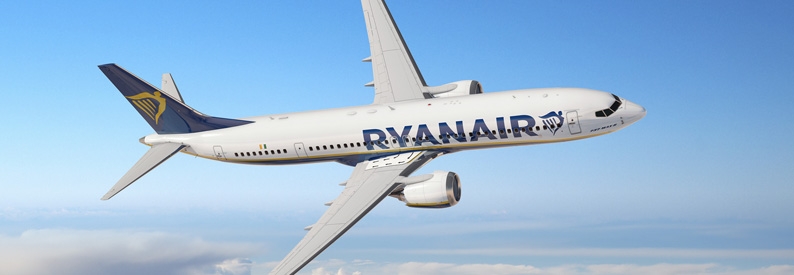
Ryanair group chief executive Michael O’Leary said the risk of a jet fuel supply shortage in Europe linked to Middle East tensions is easing, following updated guidance from fuel suppliers.
Speaking to Reuters on April 28, O’Leary said suppliers across Europe now expect no disruption to fuel availability until at least the end of June. This marks an improvement from earlier concerns that shortages could emerge as early as June if the conflict persisted. He added that confidence among suppliers has strengthened in recent weeks, reducing near-term risk to airline operations.
O’Leary also dismissed warnings from Sweden about potential fuel shortages, noting that Ryanair’s own discussions with suppliers indicate a stable outlook. He previously highlighted the United Kingdom as particularly exposed due to its reliance on fuel imports from Kuwait, but said that risk has also diminished. Major oil companies working with Ryanair have indicated they would step in if supply constraints were to arise.
Despite improving supply conditions, O’Leary warned that rising fuel costs will continue to pressure European airlines, particularly those without strong hedging strategies. Ryanair, which has secured fuel hedges at more favorable rates, plans to use its cost advantage to maintain downward pressure on fares and gain market share.
The airline reported stronger-than-expected last-minute bookings for April and May, but noted softer demand for the peak summer travel period from June to September. In response, Ryanair has already begun lowering fares on selected routes to stimulate demand.
O’Leary said average fares for the financial year ending March 2027 are now likely to remain flat, compared with earlier expectations of a 4% to 5% increase. He emphasized that the airline would still deliver strong profitability even if fares do not rise, thanks to its low-cost model and hedging position.
Looking ahead, O’Leary said fare trends will largely depend on how the Middle East situation evolves. A rapid resolution to the conflict could lead to a modest increase in fares, potentially exceeding earlier forecasts. However, continued uncertainty may keep pricing under pressure across the European market.
Ryanair’s strategy reflects a broader competitive dynamic in the industry, where cost leadership and fuel hedging are becoming critical differentiators as airlines navigate volatile energy markets and shifting demand patterns.
Related News: https://airguide.info/?s=ryanair, https://airguide.info/category/air-travel-business/airline-finance/
Sources: AirGuide Business airguide.info, bing.com, reuters.com