
World’s Safest Airlines in 2025: Rankings, What It Means, and What’s Next

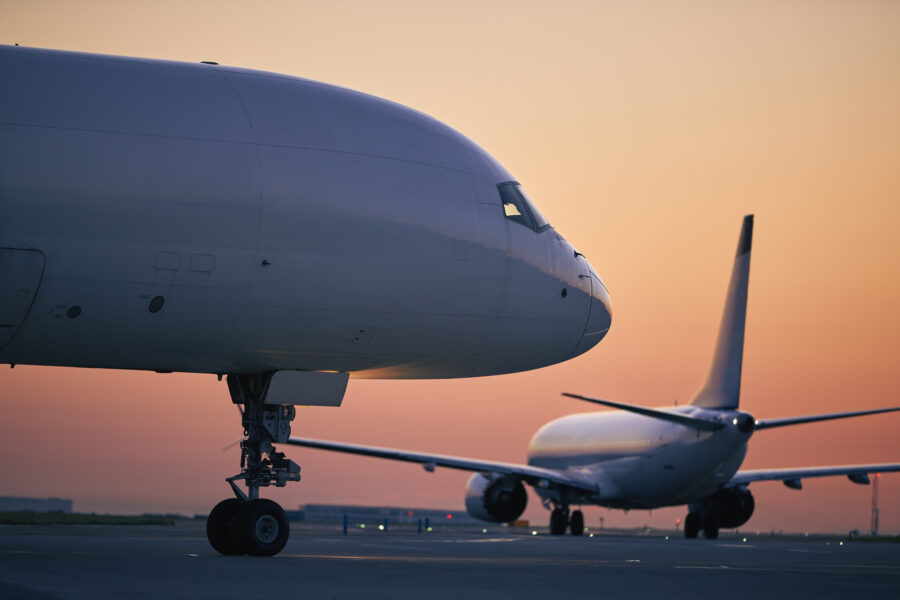
When travelers choose flights, comfort, price, and schedule often top the list — but nothing matters more than safety. In a world where global mobility continues to expand, understanding the safest airlines has become essential for seasoned and occasional fliers alike.
Airline safety rankings for 2025 offer more than reassurance; they reflect decades of industry evolution, meticulous training protocols, modern fleet standards, and rigorous international oversight. These factors combine to shape an airline safety record that passengers can trust. Here’s everything you need to know about the top carriers in 2025, why it matters, and what’s coming in 2026.
What “Safest Airlines” Really Means
When industry analysts designate the world’s safest airlines, it’s not based on a single factor. Evaluators like AirlineRatings.com consider multiple criteria, including:
• Airline safety record and recent serious incidents
• Age and condition of the aircraft fleet
• Pilot training standards and continual simulator evaluation
• International audit compliance (including IOSA & ICAO)
• Incident response quality and operational protocols
• Financial stability and long-term operational consistency
Safety isn’t just about the number of accidents (which are extremely rare in modern aviation) — it’s about prevention, preparedness, and response. Airlines with consistently high safety scores combine all these elements, delivering peace of mind from boarding to touchdown.
Top Safest Airlines in the World for 2025
According to the latest evaluation of airline safety rankings from one of the industry’s leading monitors, the following full-service carriers top the list for 2025:
1. Air New Zealand — The overall safest airline in 2025, known for a strong safety record and a relatively young fleet.
2. Qantas — Consistently among the safest, with exceptional training and rigorous safety practices.
3. Cathay Pacific, Emirates, Qatar Airways (tie) — These global carriers share a commitment to safety excellence.
4. Virgin Australia — Strong international standards and training give it a top position.
5. Etihad Airways — Innovative safety management and operational reliability.
6. ANA (All Nippon Airways) — Japanese discipline meets thorough pilot training.
7. EVA Air — Known for stringent maintenance and safety oversight.
8. Korean Air — Maintains strong global standards with a robust safety culture.
9. Alaska Airlines — Top-ranked U.S. carrier in the 2025 list.
10. Turkish Airlines — Combines hospitality with global safety protocols.
This list continues deeper into the top 25, including carriers such as TAP Portugal, Hawaiian Airlines, SAS, and British Airways — all recognized for consistently strong airline safety performance.
Why Safety Still Matters to Travelers
Air travel is statistically one of the safest modes of transportation — but passengers still value safety above almost every other consideration. Why? Because:
• A strong safety record reduces anxiety for flyers, especially families and business travelers.
• Airlines that invest in rigorous pilot training are often the same that invest in customer service, reliability, and operational excellence.
• Safety compliance often correlates with better overall airline infrastructure, from maintenance to in-flight procedures.
• Knowing your carrier ranks among the top safe airlines of 2025 provides confidence when booking long-haul or complex itineraries.
These elements resonate especially with travelers who prioritize well-being as part of their journey — and airline safety rankings help them make informed decisions.
What’s Next: Airline Safety in 2026
Looking ahead to 2026, industry watchers expect some evolving trends that will shape future safety evaluations:
• Younger, more advanced fleets: New aircraft types — including next-gen fuel-efficient models — are expected to raise safety benchmarks even higher.
• Artificial intelligence and predictive maintenance: Airlines investing in AI-driven monitoring tools can identify potential issues before they arise, which will likely become a standard safety metric.
• Enhanced pilot training technology: VR and simulation are transforming how crew are prepared for rare emergency scenarios, further strengthening the airline safety record.
• Global standard harmonization: As regulators sync international auditing standards, airlines that exceed minimum compliance will rise in future safety rankings.
Airlines that embrace these innovations will not only feature in next year’s reports but also set the bar for industry leadership.
Whether you’re planning a family vacation, a business trip, or a once-in-a-lifetime adventure, flying with one of the safest airlines brings unmatched peace of mind. Rankings like these reflect global efforts across engineering, training, and operational oversight — and show how the aviation industry continues to push safety to new heights.
For more insights into airline safety, travel security, and aviation industry trends, explore AirGuide’s travel health and safety coverage, including expert analysis and up-to-date aviation news.
Subscribe to our newsletter!
Related Content: https://airguide.info/category/air-travel-business/travel-health-security/
Sources: bing.com, airguide.info, AirlineRatings