
SAS Flight to Malaga Diverts After Mouse Spotted

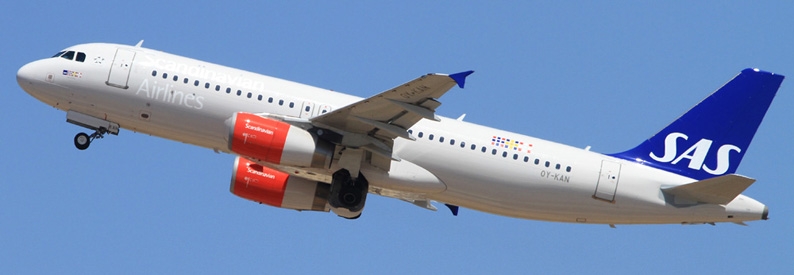
Pilots of a SAS Scandinavian Airlines flight from Stockholm to Malaga were forced to divert after passengers spotted a rodent in the cabin, marking the second such incident on the same route in less than 18 months.
Flight SK1583 departed Stockholm on February 7 and was around 90 minutes into the four-hour journey when passengers reported seeing a mouse on board the Airbus A320neo. At the time, the aircraft was cruising at approximately 37,000 feet over Belgium. After being informed of the situation, the flight crew elected to return to Stockholm for safety reasons.
The aircraft ultimately completed what amounted to a three-hour flight to nowhere, landing back in the Swedish capital. The jet was then taken out of service for the remainder of the day while maintenance teams conducted a thorough inspection to locate and remove the rodent and check for potential damage.
Although passengers described the mouse as small, rodents pose a significant safety concern for airlines. Unlike insects such as cockroaches or bed bugs, rodents are capable of chewing through insulation and electrical wiring, including flight-critical cabling. Even minor damage to aircraft systems can result in costly repairs and operational delays.
Industry procedures typically require a comprehensive technical inspection following such sightings. In this case, returning to Stockholm allowed SAS engineers at the airline’s primary maintenance base to perform a detailed examination before clearing the aircraft for further service.
The incident follows a similar diversion on September 19, 2024, when another SAS flight from Oslo to Malaga was forced to turn back after a mouse reportedly emerged from a passenger’s meal tray and ran through the cabin.
Rodent-related aviation disruptions are rare but not unprecedented. In late 2024, a TAP Air Portugal Airbus A321neo was temporarily grounded in the Azores after multiple hamsters escaped from damaged cages in the cargo hold during a flight from Lisbon. The aircraft remained out of service until all animals were located and removed.
While uncommon, such events underscore the strict safety protocols airlines follow when any wildlife or pest risk is detected onboard.
Related News: https://airguide.info/?s=sas, https://airguide.info/category/air-travel-business/travel-health-security/
Sources: AirGuide Business airguide.info, bing.com, paddleyourownkanoo.com