
South Korea Offers $190,000 in Tax Rebates to Base 24 Aircraft

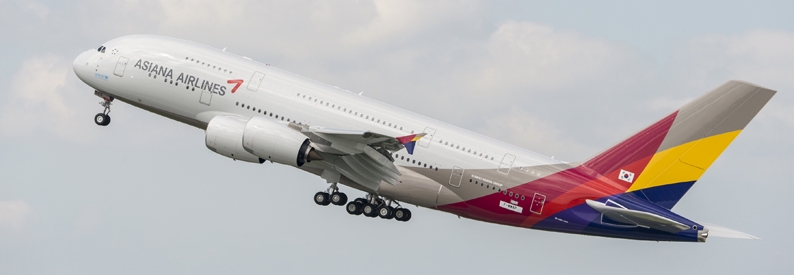
South Korea’s Gangseo-gu district has finalized its 2025 subsidy program aimed at encouraging airlines to register and base aircraft locally, approving tax rebates totaling KRW281.7 million (about USD190,000). The funding will support 24 aircraft operated by Asiana Airlines, Air Busan, and Air Seoul that are legally registered in Busan.
The local government announced the disbursement on December 11, confirming that the incentives are designed to ease airline operating costs while strengthening Busan’s position as a key aviation hub in the country. The program forms part of a broader regional effort to attract and retain aviation-related economic activity, including aircraft registration, maintenance work, and associated jobs.
Under the scheme, airlines are reimbursed for maintenance-related expenses equivalent to 50% of the property tax paid per aircraft. The subsidy applies only to commercial aircraft and excludes training aircraft and light planes. By linking the incentive directly to property tax obligations, Gangseo-gu aims to provide targeted relief without creating an open-ended subsidy structure.
Officials said the initiative is intended to encourage airlines to designate Busan as their legal home base rather than registering aircraft in other domestic or overseas jurisdictions. Aircraft registration location can have meaningful implications for local tax revenues, maintenance activity, and long-term investment decisions by carriers.
Asiana Airlines, Air Busan, and Air Seoul were the beneficiaries of the 2025 program, reflecting their existing operational presence in Busan. Air Busan and Air Seoul, in particular, have strong ties to the southern city, while Asiana continues to maintain a significant footprint there alongside its main base in Seoul.
Local governments in South Korea have increasingly turned to targeted incentives as competition intensifies among regions seeking to attract aviation assets. Aircraft registration brings not only tax revenue but also supports local maintenance, repair, and overhaul activity, as well as administrative and technical employment linked to fleet management.
Gangseo-gu officials said the subsidy program is part of a longer-term strategy to reinforce Busan’s role in the national aviation ecosystem, complementing its airport infrastructure and growing importance as a logistics and tourism gateway. By reducing fixed costs for airlines, the district hopes to make Busan a more attractive option for fleet basing decisions.
While the total rebate amount is relatively modest, industry observers note that such incentives can influence marginal decisions, particularly for narrowbody fleets operating on tight cost structures. The district has not yet disclosed whether similar subsidy levels will be maintained beyond 2025, but officials indicated that future programs will be reviewed based on airline participation and budget considerations.
Related News: https://airguide.info/category/air-travel-business/airline-finance/
Sources: AirGuide Business airguide.info, bing.com, ch-aviation.com